Things You Forgot to Clean (a Simple Checklist)

Every tip here is checked against the sources listed at the bottom.

A clipboard checklist on a laundry room counter with a lint filter, a dishwasher filter and a furnace filter laid out beside it

The short answer

What works Pick a few spots from this list each week and take care of them, so nothing goes too long. Some of these spots are about safety, not just looks.

How long
Each spot has its own schedule. The dryer lint filter is every load, smoke alarm tests and furnace filter checks are monthly, and CO detector batteries get checked when the clocks change.
What it costs
Mostly nothing beyond a new furnace filter. A Playtex Surefoot single step stool was $9.99 at Target.com on November 7, 2026.
What you need
A soft brush, a vacuum with a brush attachment, a pitcher, a step stool and a fresh furnace filter in your size.
Jump to the steps

Before you start: how to use this list

These are the spots that quietly get missed. Work down the list a few at a time, and jot the date beside each one so you know when it is due again. For high spots, follow the ladder tips in the safety box.

Step by step

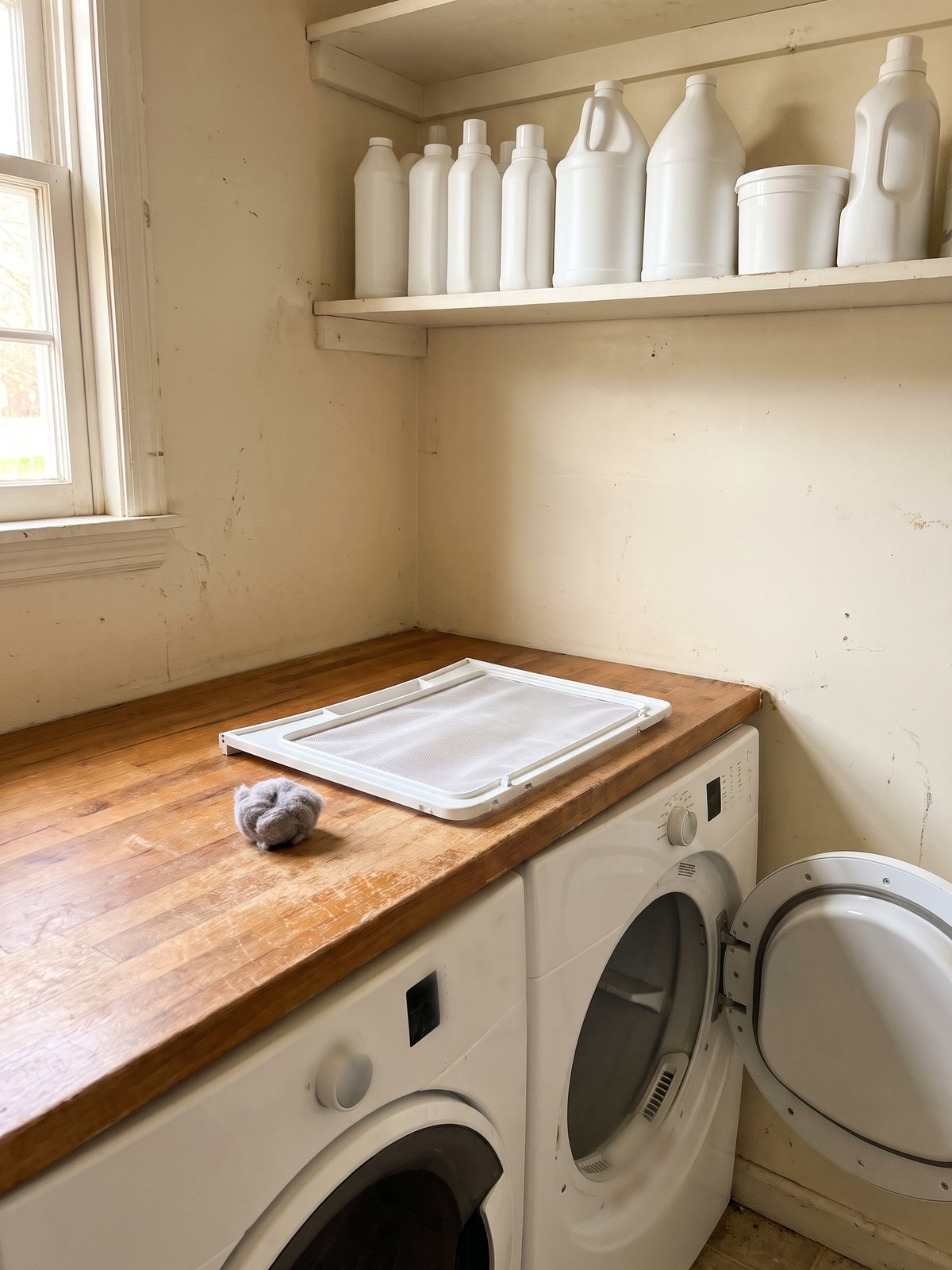
  1. Dryer lint filter (every load)

    Pull out the lint screen, peel off the lint and slide it back in. The U.S. Fire Administration says to clean the lint filter before and after each cycle, and never to run the dryer without it. San Diego Fire-Rescue adds that you should also remove the lint that collects around the drum.

    What it looks like: a clean screen you can see through.

  2. Dryer vent outside (check it while the dryer runs)

    While the dryer runs, step outside and look at the vent cover. The U.S. Fire Administration says the outdoor cover should open when the dryer is on. It also says to check that the vent behind the dryer is not damaged, crushed or restricted, and to clean the back of the dryer where lint builds up.

    What it looks like: the flap lifts and warm air blows out.

  3. Smoke alarms (test monthly)

    Press the test button on each smoke alarm until it beeps. The U.S. Fire Administration says to test them every month, replace 9 volt and backup batteries at least once a year, and replace the whole alarm every 10 years.

    What it looks like: a loud beep from each alarm.

  4. Carbon monoxide detectors (when the clocks change)

    Check the batteries in your CO detectors when you change the clocks in spring and fall, as the CDC suggests. The CDC says to keep battery or battery backup CO detectors near every sleeping area. CO has no smell and no color, so you will not notice it on your own.

  5. Furnace or air conditioner filter (check monthly)

    Slide out the filter and look it over. ENERGY STAR says to inspect, clean or change it once a month, because a dirty filter can raise energy costs and damage your equipment.

    What it looks like: if it looks dirty next to a new one, swap it for a filter in the same size.

  1. Dishwasher filter (monthly)

    Pull out the bottom rack and find the filter in the floor of the tub. On many Whirlpool models you turn the upper filter a quarter turn counterclockwise and lift it out, then lift the lower filter slightly and pull it forward. Rinse them under running water, and use a soft brush on any stubborn soil.

    Whirlpool says to do this about once a month, more often with heavy use. It also says not to use a wire brush or scouring pad, because they can damage the filters.

    What it looks like: the debris rinses off under the tap.

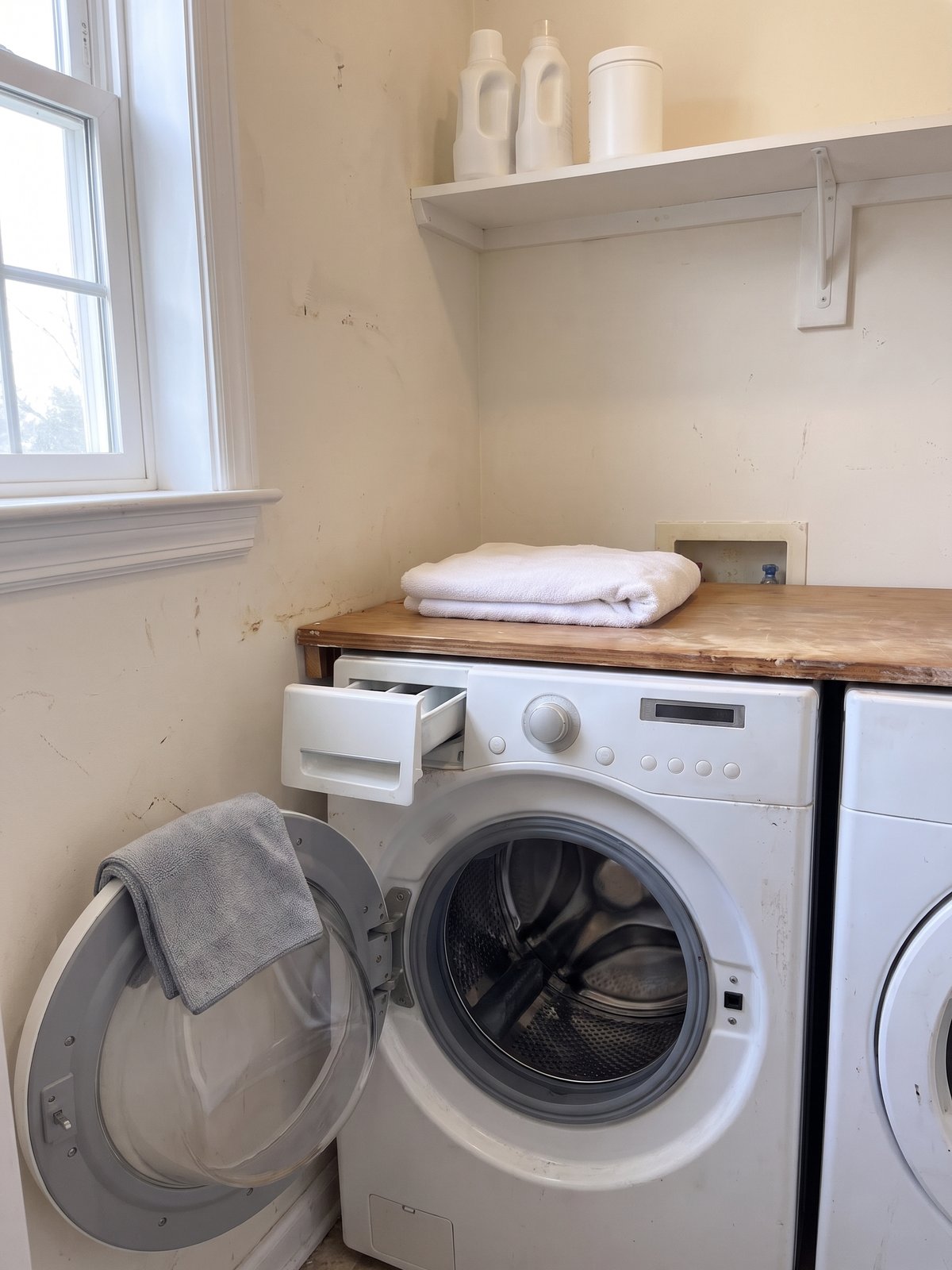
  2. Washing machine (monthly)

    Run your washer’s clean cycle, or follow your manual. Whirlpool says to do this at least once a month or every 30 cycles, whichever comes first. It also says to leave the lid or door open between uses so it can dry out.

  3. Under and behind the fridge

    Whirlpool says to clean under the fridge routinely, so vacuum up the dirt and crumbs that collect there. It says most homes do not need routine coil cleaning, but homes with pets, a busy kitchen or construction dust should check the coils every 3 to 6 months.

    For the coils, unplug the fridge or switch off its breaker first, then remove the base grille at the bottom and use a soft coil brush or a vacuum brush.

  4. Drains you never use

    Pour about a quart of water into any drain that sits unused, like a guest bath tub or a basement floor drain. The City of Phoenix explains that the water in the curved pipe under a drain blocks sewer gas, and it can dry out when the drain is not used.

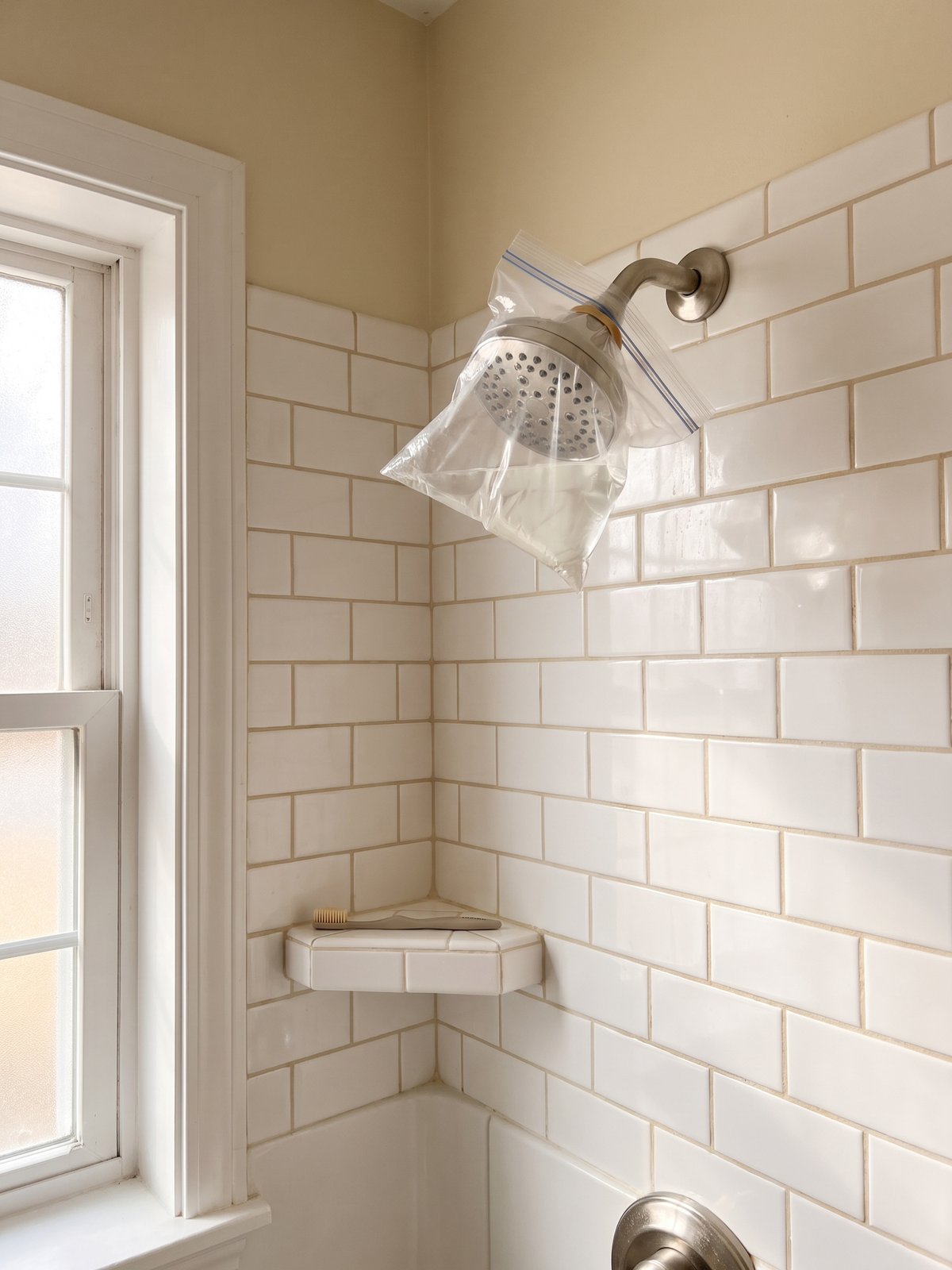
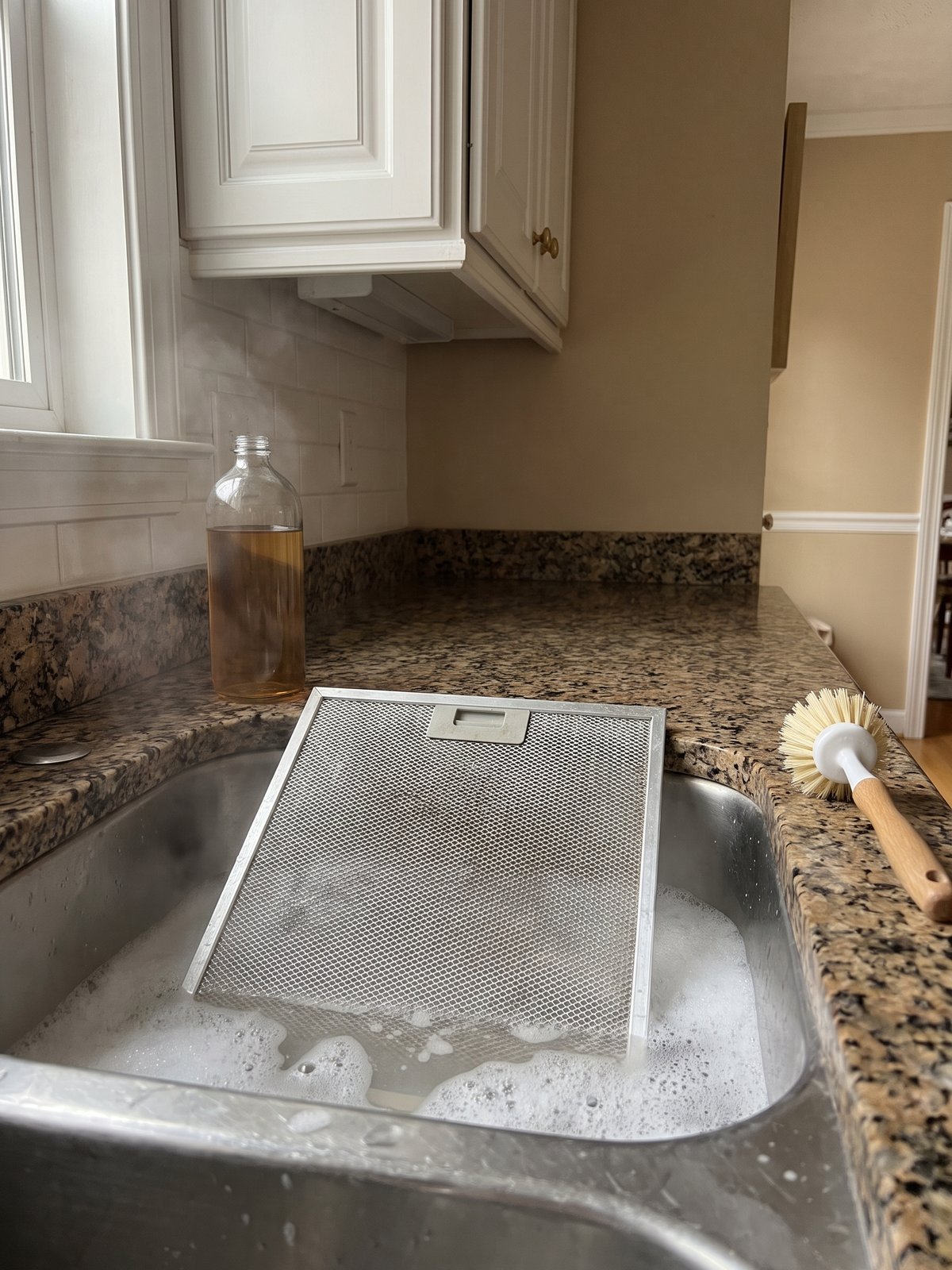
  5. Shower head and range hood filter

    These two get crusty and greasy without anyone noticing. Our shower head page and range hood filter page walk through each one step by step (links below).

When it will not work, and what to do instead

  • The outside vent flap does not open, or the vent is crushed. The U.S. Fire Administration recommends having your dryer installed and serviced by a professional.
  • A smoke alarm will not beep. Follow the maker’s instructions for it, as the U.S. Fire Administration advises, and replace any alarm that is 10 years old.
  • The washer still smells after a clean cycle. Use less detergent. Whirlpool says too much detergent builds up residue that can smell.

Be safe

  • Ladder and step stool safety. A ladder guide from CPWR and NIOSH says to face the ladder and keep three points of contact (two hands and a foot, or one hand and two feet). Carry nothing up with you, never stand on the top step, and avoid leaning or stretching. Climb down and move the stool instead.
  • Unplug first. Whirlpool says to unplug the fridge or switch off its breaker before cleaning the coils.
  • Never run the dryer without the lint filter. That is straight from the U.S. Fire Administration.
  • If a CO alarm starts beeping, the CDC says to leave your home right away and call 911.
  • Cleaners. If you use more than one product on any of these jobs, never mix them. See the full never-mix chart. If a cleaner gets in your eyes or someone swallows one, call the Poison Help line, 1-800-222-1222. It is free and confidential, 24 hours a day, 7 days a week.

What to buy

We may earn a small fee from these links. It never changes the picks or your price.

More picks: Cleaning products you should never mix

Why it works

Most of these spots are filters and traps. Their whole job is to catch lint, dust, grease and food so it does not end up somewhere worse. A filter that is full stops catching and starts blocking.

Think of a coffee filter. It works fine for one pot, but if you never changed it, the water would back up and spill over.

That is why the U.S. Fire Administration says skipping the lint filter and dryer vent cleaning raises your risk of a dryer fire.

The alarms are different. They do not get dirty, they just quietly stop working, and the only way to know is to press the button.

A word from Denise

You keep a clean house, but nobody sees the lint trap or the filter under the dishwasher, so they never make the list. This page is that list. Tape it inside a cabinet door, check off a few spots on the same day every week, and these things will never sneak up on you again.

Questions people ask

How often should I clean the dryer lint filter?

Every load. The U.S. Fire Administration says to clean it before and after each cycle and never to run the dryer without it.

How often should I change my furnace filter?

ENERGY STAR says to inspect, clean or change it once a month.

How often should I test my smoke alarms?

Every month. The U.S. Fire Administration also says to replace 9 volt and backup batteries at least once a year and the whole alarm every 10 years.

How often should I clean my dishwasher filter?

Whirlpool says about once a month, more often with heavy use.

More help like this

Denise laughing in her kitchen

About Denise

I’m Denise, and I explain home fixes the way a friend would at your kitchen table. Every tip I share is written from the sources listed on its page and checked against them before it goes up.

How my tips are checked

Sources

Sources opened and checked on November 7, 2026.

  1. U.S. Fire Administration, Clothes Dryer Fire Safety flyer (higher fire risk if you do not clean the lint filter and dryer vents; professional install and service; do not use without a lint filter; clean it before and after each cycle; clean the back of the dryer; venting not damaged, crushed or restricted; outdoor vent covering opens when operating) usfa.fema.gov
  2. City of San Diego Fire-Rescue, Dryer safety tips (clean lint filters before or after each use and remove accumulated lint from around the drum) sandiego.gov
  3. U.S. Fire Administration, Smoke alarms (test monthly; replace 9 volt and backup batteries at least once a year; replace the entire alarm every 10 years; care per the manufacturer’s instructions) usfa.fema.gov
  4. CDC, About Carbon Monoxide Poisoning (odorless, colorless; battery-operated or battery back-up CO detectors near every sleeping area; check batteries when you change the clocks each spring and fall) cdc.gov
  5. CDC, Safety Guidelines: After a Hurricane or Other Tropical Storm (“If you have a CO detector and it starts beeping, leave your home right away and call 911.”) cdc.gov
  6. ENERGY STAR, Maintenance Checklist (inspect, clean or change air filters once a month; a dirty filter can increase energy costs and damage equipment) energystar.gov
  7. Whirlpool, How to Clean the Dishwasher Filters (once a month, particularly with frequent use; upper filter quarter turn counterclockwise; lower filter lift and pull forward; rinse; soft brush; no wire brush or scouring pad) producthelp.whirlpool.com
  8. Whirlpool, Removing Odors from the Interior of a Washer (clean cycle at least monthly or every 30 cycles; leave lid or door open; excess detergent residue may cause odor) producthelp.whirlpool.com
  9. Whirlpool, How and When to Safely Clean the Condenser Coils (routine cleaning not typically needed; pets, heavy kitchen traffic or construction dust, every 3 to 6 months; unplug or switch off breaker; remove the base grille; soft-bristle coil brush or vacuum attachment) producthelp.whirlpool.com
  10. Whirlpool, Removing and Preventing Odors (routinely clean under the refrigerator) producthelp.whirlpool.com
  11. City of Phoenix, Guidance Supplement 9: Sewer Odors (trap water blocks sewer gas and can evaporate; pour a quart of water into each problem drain) phoenix.gov
  12. CPWR and NIOSH, Don’t Fall For It #4: Climbing Ladders Safely (face the ladder; 3 point contact; carry no loads; avoid leaning or stretching; no standing on the top step of a stepladder) (PDF hosted by New Jersey Department of Health) nj.gov
  13. HRSA Poison Help, Calling Poison Help (1-800-222-1222; free and confidential help 24 hours a day, 7 days a week) poisonhelp.hrsa.gov
  14. Target.com search results (prices, checked 11/7/2026) target.com
Fact log: how each claim on this page was checked (16 claims)

Every claim on this page, the source behind it and what the check found. Kept open for anyone who wants to look under the hood.

ClaimSourceWhat the check found
Clean lint filter before and after each cycle; never run without it; higher fire risk if lint filter and vents are not cleanedSource 1 (rechecked November 7)Matches the source (official).
Remove lint around the drumSource 2 (rechecked November 7)Matches the source (official).
Outdoor cover opens when running; venting not damaged, crushed or restricted; clean back of dryer; professional install and serviceSource 1 (rechecked November 7)Matches the source (official).
Test smoke alarms monthly; 9 volt and backup batteries yearly; replace alarm every 10 years; follow the maker’s instructionsSource 3 (rechecked November 7)Matches the source (official).
CO odorless and colorless; detectors near every sleeping area; check batteries when clocks changeSource 4 (rechecked November 7)Matches the source (official).
CO detector beeping: leave right away and call 911Source 5 (opened November 7)Matches the source (official).
Inspect, clean or change HVAC filter monthly; dirty filters raise energy costs and can damage equipmentSource 6 (rechecked November 7)Matches the source (official).
Dishwasher filter monthly; upper filter quarter turn counterclockwise, lower filter lift and pull forward; rinse; soft brush; no wire brush or scouring padSource 7 (rechecked November 7)Matches the source (maker; text says “many Whirlpool models”).
Washer clean cycle monthly or every 30 cycles; door open; too much detergent leaves residue that can smellSource 8 (rechecked November 7)Matches the source (maker).
Clean under the fridge routinely; coils usually not needed, but every 3 to 6 months with pets, heavy traffic or construction dust; unplug or breaker; base grille; soft brush or vacuumSources 9 and 10 (rechecked November 7)Matches the source (maker).
Quart of water in unused drains; trap water blocks sewer gasSource 11 (rechecked November 7)Matches the source (official).
Ladder rules: face it, 3 point contact, carry nothing, avoid leaning or stretching, never the top stepSource 12 (rechecked November 7)Matches the source (official, workplace guide applied at home).
Poison Help line, 1-800-222-1222; free and confidential, 24 hours a day, 7 days a weekSource 13Matches the source (HRSA Calling Poison Help page; one wording site-wide, November 7).
Prices: Playtex step stool $9.99; Cosco 2 step $27.99Source 14, read November 7, 2026Matches the source (dated, Target.com online).
Coffee filter comparisonPlain analogyNot a fact claim
Left out: minutes per spot and a 15 minute total; a set interval for the outside dryer vent; “replace an alarm that will not beep with a fresh battery”; smells traveling from nearby drainsNo source gives themLeft out on purpose