How to Clean a Front-Load Washer and Stop the Musty Smell

Every tip here is checked against the sources listed at the bottom.

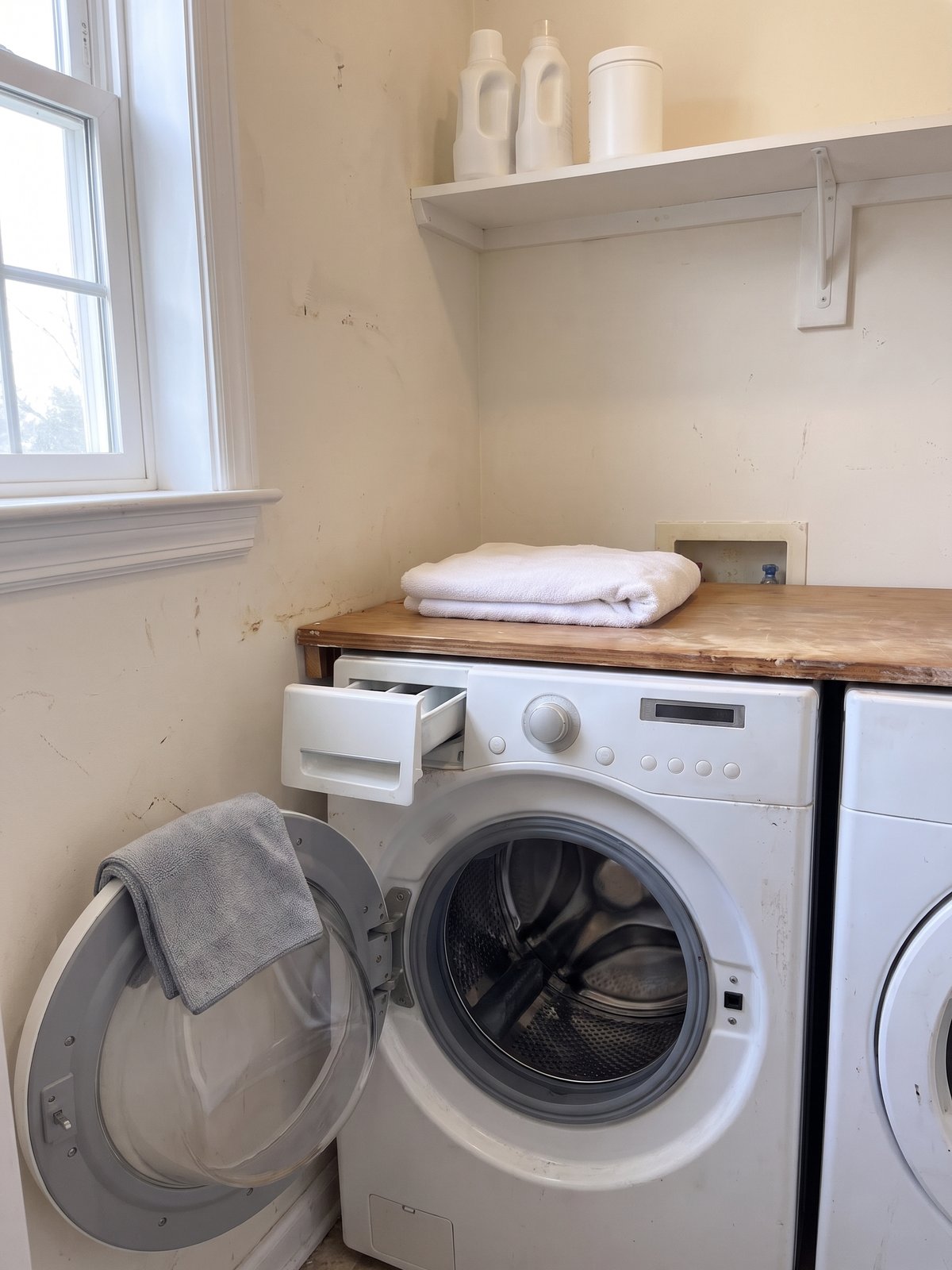
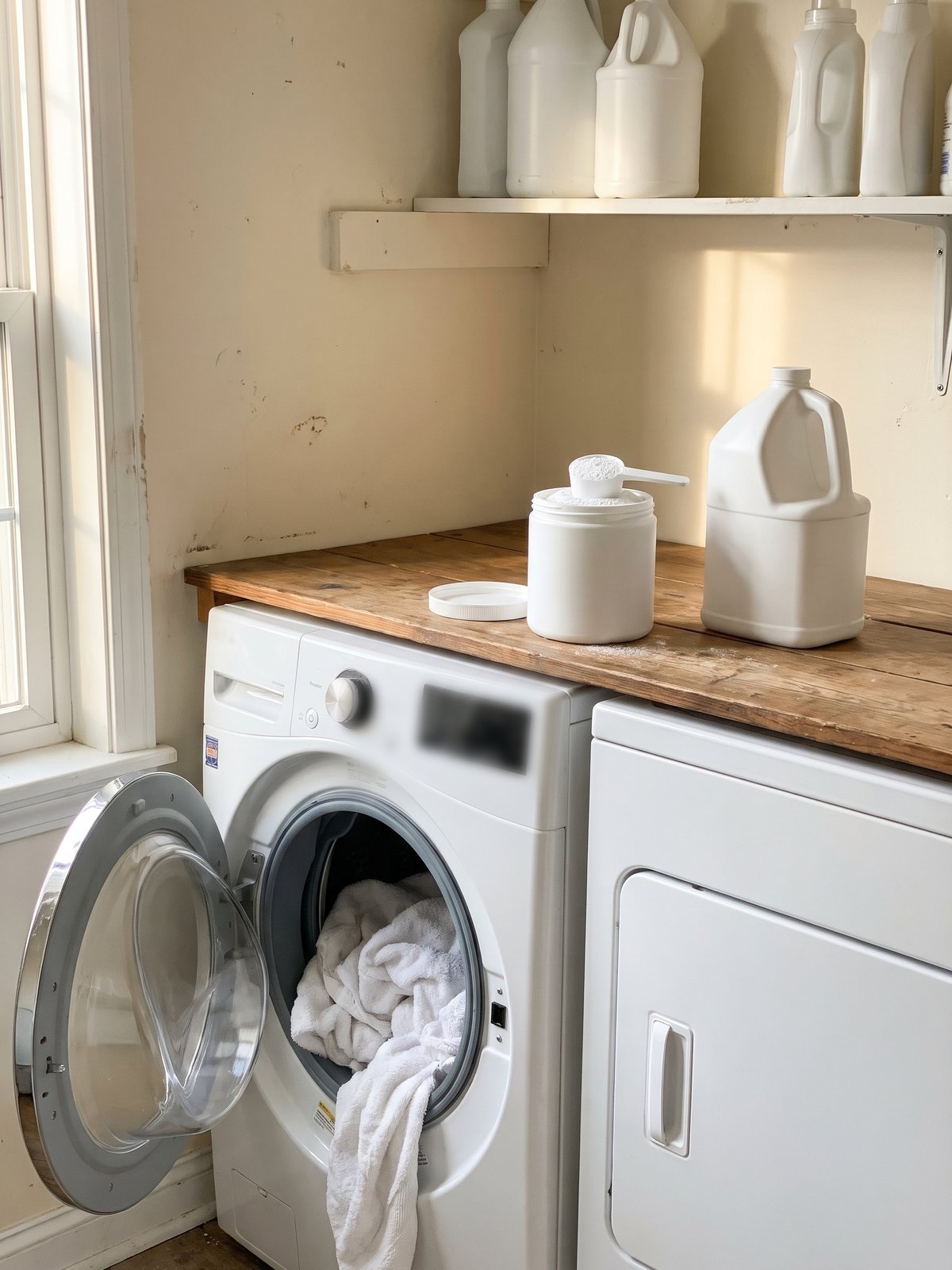
A front-load washer with the door open, a gloved hand folding back the gray rubber door seal with a cloth, an old toothbrush on the washer top

The short answer

What works Once a month, or every 30 washes, clean three spots: the rubber door seal, the detergent drawer and the drain filter. Then run the Clean Washer cycle with a washer cleaner tablet or 1 cup of liquid chlorine bleach, and leave the door open to dry. Whirlpool and affresh both give that schedule.

How long
One Clean Washer cycle, plus the time it takes you to wipe three spots. The cycle length depends on your machine.
What it costs
A 5 count box of affresh Washing Machine Cleaner was $11.29 at Target.com on November 7, 2026, so about $2.26 a month. Plain liquid chlorine bleach works too.
What you need
Rubber gloves, a soft cloth, an old toothbrush, a little dish soap, and a washer cleaner tablet or plain liquid chlorine bleach.
Jump to the steps

Step by step

  1. Empty the drum and check the seal

    Open the door and take everything out. Gently fold back the rubber seal around the door opening and look underneath it.

    Pick out anything caught in there, like socks, coins or hair. LG points to the groove at the bottom of the seal, around six o’clock, as the place things collect.

  2. Wash the seal with soapy water

    Mix a little dish soap into a bowl of warm water. Dip a soft cloth and wipe all the way around the seal, inside the folds too.

    Use an old toothbrush on the creases. Whirlpool calls for warm water, a mild detergent and a toothbrush, and says to skip harsh or scratchy cleaners that could damage the seal.

  3. Treat any stains that stayed

    If stains or buildup are still there, put on rubber gloves and mix 1/3 cup of liquid chlorine bleach into 1 gallon of water. That is the strength Clorox gives for mold stains, and it is the one we use on every page. Wipe it onto the seal with a damp cloth and keep the spot wet for 10 minutes.

    Then rinse with a cloth dipped in warm water and wipe the seal dry. Whirlpool also says to clean the seal with a measured bleach mix, never bleach straight from the jug.

    Open a window while you work, as the CDC advises whenever you use bleach indoors.

  1. Clean the detergent drawer

    Pull the dispenser drawer out of the machine. Rinse it in warm water and scrub the corners with the toothbrush. Then wipe out the opening it sits in, including the top, where drips collect.

    Dry the drawer and slide it back in. These are the steps in affresh’s front-load guide.

  2. Clean the drain filter

    Unplug the washer first. Then find the filter cover (usually low on the front; your manual shows where).

    Take off the cover, pull out the filter and soak it in hot water for 10 minutes. Then put the filter and cover back, as affresh’s guide says.

  3. Run the Clean Washer cycle

    Plug the washer back in. With the drum empty, do one of these two things, never both, and add no detergent. Whirlpool says no other chemicals go in with the clean cycle.

    • Washer cleaner tablet: put 1 affresh tablet in the bottom of the drum, never in the detergent drawer.
    • Chlorine bleach: pour 1 cup of plain liquid chlorine bleach into the bleach compartment. Whirlpool says not to use thickened, easy pour or no splash bleach here, because it can make too many suds. It also says more than 1 cup can damage the washer over time.

    Choose the Clean Washer cycle and let it run all the way through. If your washer has no such cycle, Maytag says a hot water cycle works in its place.

  4. Dry it and leave the door open

    When the cycle ends, wipe the seal and the inside of the door glass with a dry cloth. If any piece of the tablet is left, toss it, as affresh says. Then leave the door open so the drum can air dry.

    What it looks like when it worked: the seal is dry all the way into the folds, and the door is standing open.

The habits that keep the smell away

The monthly clean clears out the smell, and these habits keep it from coming back.

  1. Unload right away. Whirlpool says to take the clothes out as soon as the cycle ends.
  2. Leave the door open between loads. Whirlpool says so, and LG adds opening the detergent drawer too. Keep small children away from an open drum.
  3. Use HE detergent, and never more than the label says. Whirlpool says these machines need high-efficiency (HE) detergent.
  4. Use warm or hot water sometimes. Whirlpool’s advice is to use the warm and hot settings now and then, not cold every time.

When it will not work, and what to do instead

Sometimes the smell hangs on after one clean. Here is what to check.

  • You used vinegar instead. affresh says vinegar may not remove all the buildup, and Maytag warns its acid can wear down rubber seals and hoses, especially in front loaders. Use a tablet or 1 cup of bleach for the monthly clean.
  • The seal still has stains after the bleach wipe. Do the seal steps again next month, and keep the door open in between. If the stains never budge, call your washer maker’s service line.
  • The smell is in your clothes, not just the washer. For loads that sat wet too long, see How to get the mildew smell out of clothes left in the washer. For towels, see How to get the sour smell out of towels.
  • You see mold on the floor or wall around the washer. That points to a leak or a damp room. The EPA says that if mold covers more than about 10 square feet, or there was a lot of water damage, hire a contractor with mold experience. If you have health concerns, talk to a health professional first.

Be safe

  • Never mix chlorine bleach with vinegar, ammonia or any other cleaner. Washington State’s health department says bleach and acids like vinegar give off chlorine gas, and bleach and ammonia make toxic chloramine gases. On washer day, the bleach goes in alone. See the full never-mix chart.
  • One cleaner per cycle. Use either the tablet or the bleach, not both, and no detergent with it.
  • Gloves and fresh air. Whirlpool says to wear rubber gloves when you clean with bleach and to follow the bleach maker’s directions. The CDC says to open windows and doors when you use bleach indoors.
  • Unplug before the drain filter. affresh’s guide starts that step by unplugging the machine.
  • Keep kids out of the drum. LG warns not to let children climb in to play.
  • If a cleaner gets in your eyes, rinse with water for 15 minutes (affresh’s advice for its tablets) and get medical help if the irritation lasts. You can also call the Poison Help line, 1-800-222-1222. It is free and confidential, 24 hours a day, 7 days a week.

What to buy

We may earn a small fee from these links. It never changes the picks or your price.

More picks: Best cheap stain removers for clothes

Why it works

A front loader is built to save water, and that is part of the trouble. The affresh guide explains that with less water moving through, detergent residue builds up under the rubber seal, where mold and mildew can grow.

Think of that rubber seal like the bottom fold of a shower curtain. It holds a little water every time, and if it never dries, it starts to smell.

So the fix has two halves. The monthly clean scrubs out what has built up, and leaving the door open lets the inside dry out between loads.

A word from Denise

You open the washer door for clean clothes and get a whiff of damp basement instead. That smell says nothing bad about how you keep house; these machines just need air and a monthly wipe. So put it on the calendar, and leave that door open.

Questions people ask

How often should you clean a front-load washer?

Whirlpool and affresh both say once a month or every 30 wash cycles, whichever comes first. LG says to clean the door seal at least once a month.

Can I clean my washer with vinegar?

The makers disagree. affresh calls it safe, but Maytag says its acid can wear down rubber seals and hoses over time. A tablet or 1 cup of bleach on the Clean Washer cycle is the safer pick, and vinegar and bleach never go in together.

What is the black stuff in my washer seal?

It is usually residue and grime that stayed damp in the folds, and the affresh guide says that is where mold and mildew can grow. Wipe it with soapy water, then use the 1/3 cup per gallon bleach mix on what stays.

More help like this

Denise laughing in her kitchen

About Denise

I’m Denise, and I explain home fixes the way a friend would at your kitchen table. Every tip I share is written from the sources listed on its page and checked against them before it goes up.

How my tips are checked

Sources

Sources opened and checked on November 7, 2026.

  1. Whirlpool, Removing odors from the interior of a washer (monthly or 30 cycles, affresh tablet in the basket, 1 cup bleach in the compartment, no thickened bleach, no detergent or other chemicals, unload right away, HE detergent, warm and hot sometimes, leave door open) producthelp.whirlpool.com
  2. Whirlpool, Cleaning the door seal, front load washer (clean the seal with a measured bleach mix, wipe dry, door open, gloves) producthelp.whirlpool.com
  3. Whirlpool, Cleaning a front load washer door seal (warm water, mild detergent, toothbrush, avoid harsh or abrasive cleaners, check for coins and socks) producthelp.whirlpool.com
  4. affresh, How to clean a front load washer (gasket, drawer, drain filter with 10 minute hot soak, clean cycle, monthly or 30 cycles, residue under the gasket, vinegar “safe to use” but may not remove all buildup) affresh.com
  5. affresh, Washing Machine Cleaner Tablets 6 count product page (monthly, discard leftover tablet, rinse eyes 15 minutes) affresh.com
  6. LG, Front load washer gasket: stains and mold in the door gasket (six o’clock groove, at least monthly, open door and dispenser to dry, children) lg.com
  7. Maytag, Stop using vinegar to clean your washing machine (acid can wear down rubber seals and hoses, especially front load washers) maytag.com
  8. Maytag, Should you rewash laundry left in the washer overnight? (affresh tablet, then a Clean Washer cycle or a hot water cycle) maytag.com
  9. US EPA, A Brief Guide to Mold, Moisture and Your Home (about 10 square feet, water damage, experienced contractor, health concerns) epa.gov
  10. Washington State Department of Health, Bleach mixing dangers doh.wa.gov
  11. Centers for Disease Control and Prevention, Cleaning and disinfecting with bleach (good ventilation, open windows and doors; never mix bleach with other cleaners) cdc.gov
  12. HRSA Poison Help, Calling Poison Help (1-800-222-1222; free and confidential help 24 hours a day, 7 days a week) poisonhelp.hrsa.gov
  13. Target.com search results (prices, checked 11/7/2026) target.com target.com target.com
  14. Clorox, How to get rid of bathroom mold (1/3 cup bleach in 1 gallon of water, keep wet 10 minutes, rinse with warm water, wipe dry, test first, gloves and ventilation, stronger mix not recommended) clorox.com
Fact log: how each claim on this page was checked (20 claims)

Every claim on this page, the source behind it and what the check found. Kept open for anyone who wants to look under the hood.

ClaimSourceWhat the check found
Clean monthly or every 30 cycles, whichever comes firstSources 1 and 4Matches the source (maker).
Affresh tablet in the bottom of the basket; or 1 cup liquid chlorine bleach in the compartment; Clean Washer cycle; no detergent or other chemicalsSource 1Matches the source (maker).
No thickened, easy pour or no splash bleach (too many suds); more than 1 cup can damage the washer over timeSource 1Matches the source (maker).
No Clean Washer cycle: a hot water cycle insteadSource 8 (“a Clean Washer cycle (or a hot water cycle)”)Matches the source (maker).
Seal: warm water, mild detergent, toothbrush; avoid harsh or abrasive cleaners; check for coins and socksSource 3Matches the source (maker).
Seal stains: 1/3 cup liquid chlorine bleach per 1 gallon water, keep wet 10 minutes, rinse with warm water, wipe dry, door open; glovesSource 14 (strength and time); Source 2 (measured mix, wipe dry, door open, gloves)Matches the source (maker). Site-wide bleach strength set 11/7 to Clorox’s 1/3 cup per gallon; Whirlpool’s 3/4 cup seal mix replaced so the site gives one strength
Things collect in the groove at six o’clock; clean the gasket at least monthly; open door and dispenser to dry; keep children outSource 6Matches the source (maker).
Drawer: remove, rinse in warm water, toothbrush in corners, clean the cavity and its ceiling, drySource 4Matches the source (maker).
Drain filter: unplug, remove cover and filter, soak in hot water 10 minutes, put backSource 4Matches the source (maker).
Discard any leftover tabletSource 5Matches the source (maker).
Unload right away; HE detergent only, never more than recommended; warm and hot sometimes; leave door openSource 1Matches the source (maker).
Vinegar: affresh says safe but may not remove all buildup; Maytag says its acid can wear down rubber seals and hoses, especially in front loadersSources 4 and 7 (both Whirlpool brands)Matches the source (maker views; the page shows both).
Less water in front loaders lets detergent residue build up under the gasket, where mold and mildew can growSource 4Matches the source (maker).
EPA: more than about 10 square feet or a lot of water damage, use an experienced contractor; health concerns, consult a health professionalSource 9Matches the source (official).
Bleach plus acids gives chlorine gas; bleach plus ammonia gives chloraminesSource 10Matches the source (official).
Good ventilation when using bleach indoors; open windows and doorsSource 11Matches the source (official).
Affresh eye contact: rinse 15 minutes, get medical help if irritation lastsSource 5Matches the source (maker).
Poison Help line, 1-800-222-1222; free and confidential, 24 hours a day, 7 days a weekSource 12Matches the source (HRSA Calling Poison Help page; one wording site-wide, November 7).
Prices: affresh 5 ct $11.29; E-Cloth cloth $7.99; up&up gloves $3.39, latex free $3.89Source 13, opened November 7, 2026Matches the source (dated, Target.com online).
About $2.26 a month$11.29 divided by 5 tablets, one a monthMatches the source (arithmetic).