A word from Denise
So turn the water up, measure the soap, skip the softener and let the towels dry all the way. Then you will stop smelling your towels at all, which is exactly how a clean towel should smell.
Every tip here is checked against the sources listed at the bottom.
 By Denise. Checked on November 7, 2026 against the sources at the bottom of this page.
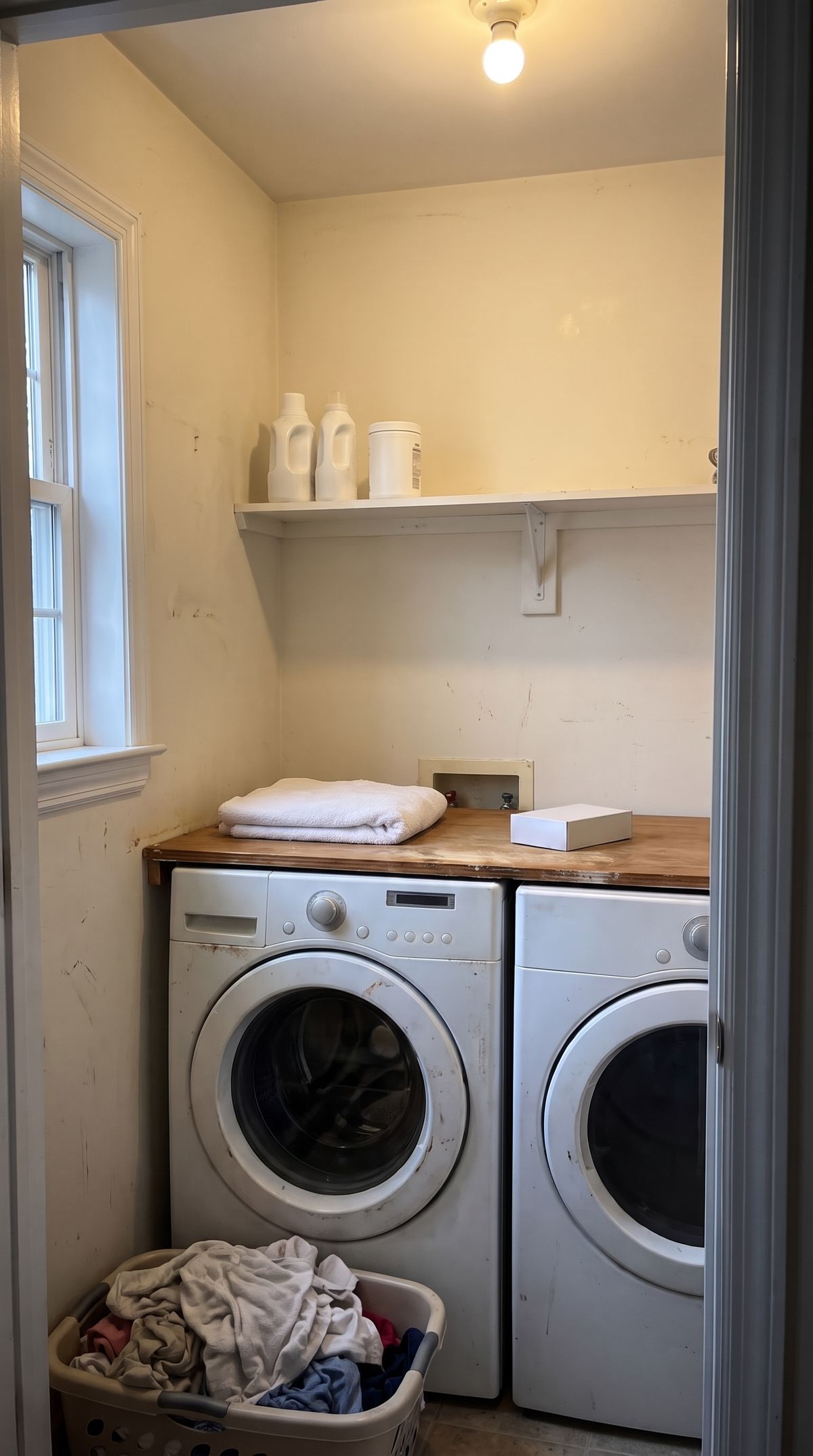
What works Wash towels in the hottest water the care label allows, measure your detergent, skip fabric softener, and get towels dry fast and all the way. If they already smell sour, give them one reset first.
Why it backfires. A quick, cold wash feels like the gentle choice. But a review of laundry studies found that frequent cold, short washes do not clear out the bacteria, skin oils and smelly compounds that build up in fabric. Washes at about 122°F (50°C) and up generally do. (On a care label, “hot” means water from 112°F to 145°F, set by the FTC.)
Do this insteadWash towels in the hottest water their care label allows. If a towel already smells sour, do the one-time reset first. The same old wash will just bring the same old smell back.
Full tip: How to get the sour smell out of towels
Why it backfires. Speed Queen, a washer maker, says soap residue builds up in towels, keeps them from drying well and can leave them musty. If you still see suds after the rinse, that is a sure sign you used too much.
Do this insteadMeasure your detergent by the line on the package instead of pouring by eye. If you have an HE (high efficiency) washer, use HE detergent.
Why it backfires. It seems like softener should make towels softer. But Speed Queen says it builds up on towels and makes them less soft over time, which is the opposite of what you paid for.
Do this insteadLeave the softener out of towel loads. Your other laundry can follow its own label.
Why it backfires. The laundry research review found that slow drying leaves more bacteria on fabric, while fast drying and tumble drying cut it down. So a wet towel balled up in the hamper, or a load left sitting in the washer, gives the smell a head start.
Do this insteadHang towels open between uses, and never throw a wet one in the hamper. Move a finished load to the dryer or the line right away, and make sure the towels are dry all the way through before you fold them.
Full tip: How to get the mildew smell out of clothes left in the washer
Why it backfires. The American Cleaning Institute says clothes need room to move in the washer. It also lists mixing bath towels with sweaters and flannels as a cause of lint.
Do this insteadLeave room for the load to tumble, and wash towels with other towels.
Full tip: How to get the sour smell out of towels
Why it backfires. Clean towels can pick up a smell from the washer itself. The same research review found that smell-causing bacteria form slimy films in the damp, hard-to-reach parts of a washer, like the rubber door seal, the detergent drawer and the filter.
Do this insteadWipe out the door seal and the detergent drawer, and run your washer’s cleaning cycle the way its manual says. The full washer routine is on the page below.
Full tip: How to clean a front-load washer and stop the musty smell
Why it backfires. It is tempting to throw in everything that cleans. But oxygen bleach powder’s label says not to mix it with ammonia, chlorine bleach or other household chemicals. And Washington State’s health department warns that chlorine bleach mixed with an acid like vinegar gives off chlorine gas.
Do this insteadUse one fixer per wash, and keep vinegar out of the washer altogether. Maytag, a washer maker, says its acid can wear down rubber seals and hoses, especially in front loaders.
Full tip: Cleaning products you should never mix
We may earn a small fee from these links. It never changes the picks or your price.
For the stovetop reset. $5.43 at Walmart.com on 11/6/2026; 4.8 stars from 11,687 ratings.
For colored towels or a washer reset when you have no big pot. $6.12 at Walmart.com on 11/6/2026; 4.7 stars from 23,833 ratings.
To lift hot, heavy towels out of the pot safely. $1.56 at Walmart.com on 11/6/2026; 4.6 stars from 421 ratings.
More picks: Best cheap stain removers for clothes
The free Kitchen and Laundry Rescue Guide has the towel reset, the care-label water guide and the never-mix chart, ready to print.

Think of a sour towel as a place bacteria have moved into. They settle into the towel, and they love three things: water that never gets hot enough, leftover soap that keeps the towel from drying, and a towel that stays damp for hours. Take away all three and the smell has nowhere to live.
None of these mistakes means your house is dirty. Most of them start as a good habit, like saving energy with cold water or adding a little extra soap to be sure. The habit is kind. It just works against the towel.
A word from Denise
So turn the water up, measure the soap, skip the softener and let the towels dry all the way. Then you will stop smelling your towels at all, which is exactly how a clean towel should smell.
Usually bacteria have built up in the fabric, helped by cool washes, leftover detergent and slow drying. A hot reset clears it, and better habits keep it from coming back.
Yes, as hot as the care label allows. Research on laundry found that washes around 122°F and up remove bacteria far better than cold, quick cycles.
Speed Queen suggests using a towel no more than three times between washes, and hanging it to dry between uses.
Not in the washer. Maytag, a washer maker, says vinegar’s acid can wear down rubber seals and hoses, especially in front loaders. If you want to try it, soak the towels in a tub instead, with 1 cup of vinegar in warm water for about 30 minutes, then rinse them well. Never mix vinegar with chlorine bleach.
Stiff towels can be a sign of soap residue. Measure your detergent carefully and skip fabric softener.
I’m Denise, and I explain home fixes the way a friend would at your kitchen table. Every tip I share is written from the sources listed on its page and checked against them before it goes up.
Sources opened and checked on November 7, 2026.
Every claim on this page, the source behind it and what the check found. Kept open for anyone who wants to look under the hood.
| Claim | Source | What the check found |
|---|---|---|
| Frequent cold, short washes do not remove microbes, skin oil and odor compounds | Source 1 (“inefficient in removing microorganisms, sebum and odorous compounds”), opened November 6 | Matches the source. |
| 50°C (122°F) and up generally removes bacteria | Source 1 (“temperatures of 50 °C and above lead to a sufficient bacterial removal”) | Matches the source. 122°F is the conversion |
| Care label “hot” = 112 to 145°F | Source 3 | Matches the source (official). |
| Soap residue builds up, slows drying, can cause musty smell; leftover suds = too much | Source 2 | Matches the source (washer maker, not neutral). |
| Measure detergent by the package; HE detergent for HE washers | Source 2 | Matches the source. |
| Softener builds up on towels and reduces softness | Source 2 | Matches the source (maker view, framed as “skip it on towels”). |
| Slow drying = higher microbial load; fast and tumble drying reduce it | Source 1 | Matches the source. |
| Never throw a wet towel in the hamper; hang to dry | Source 2 | Matches the source. |
| Don’t overload; clothes need room to move | Source 4 | Matches the source. |
| Towels mixed with sweaters and flannels cause lint | Source 5 | Matches the source. |
| Biofilms in washer door seal, detergent drawer, filter | Source 1 | Matches the source. |
| Washer cleaning: wipe the seal and drawer, run the cleaning cycle per the manual; full routine on the washer page | Source 1 (where biofilms form) | Matches the source. Speed Queen’s 1/4 cup bleach cycle was taken out on November 7 so the site gives one washer-clean dose (on the washer page) |
| Oxygen powder label: do not mix with ammonia, chlorine bleach or other household chemicals; never store solution sealed | Source 8 | Matches the source (label). |
| Bleach plus acid like vinegar gives off chlorine gas | Source 9 | Matches the source (official). |
| Vinegar stays out of the washer (acid can wear seals and hoses, especially front loaders); optional tub soak, 1 cup in warm water about 30 minutes, then rinse | Sources 11 and 12 | Matches the source (maker; site-wide vinegar rule November 7: no vinegar in the washer). |
| Reset: boil white 100% cotton 15 min, 2 Tbsp washing soda per gallon | Source 6 (2 Tbsp per gallon is the maker’s soak ratio) | Matches the source. Note: the maker gives this ratio for warm-water soaking; the 15-minute boil is from the original video, backed only by the heat research, not tested on smell |
| Colored towels or no pot: hottest label-allowed wash plus oxygen bleach and detergent | Source 1 (oxygen bleach offsets lower temperatures) | Matches the source. |
| Water too hot for colored fabrics causes color loss | Source 5 | Matches the source. |
| Washing soda: do not use on aluminum cookware | Source 7 (label) and Source 6 | Matches the source (label). |
| Eye warnings, flush 15 minutes | Sources 7 and 8 (labels) | Matches the source (label). |
| Poison Help line, 1-800-222-1222; free and confidential, 24 hours a day, 7 days a week | Source 10 | Matches the source (HRSA Calling Poison Help page; one wording site-wide, November 7). |
| Use a towel no more than three times between washes | Source 2 | Matches the source (maker suggestion, framed as such). |
| Prices and ratings: washing soda $5.43 (4.8, 11,687); OxiClean Versatile 1.77 lb $6.12 (4.7, 23,833); Mainstays tongs $1.56 (4.6, 421) | Walmart.com search results, opened November 6, 2026 | Dated; online price, varies by store |
| Reset takes “about an hour with cooling time” | 15-minute boil plus heat-up and cooling | Estimate from the steps |
| Stiff towels can signal soap residue | Source 2 (“stiff, wet clothes suggest soap residue”, summary) | Matches the source. As “can be” |
| Pot no more than two thirds full; tongs; let cool | General stovetop safety advice; no single source on this page | Stated as precautions |