How to Get the Sour Smell Out of Towels (and Keep It From Coming Back)

Every tip here is checked against the sources listed at the bottom.

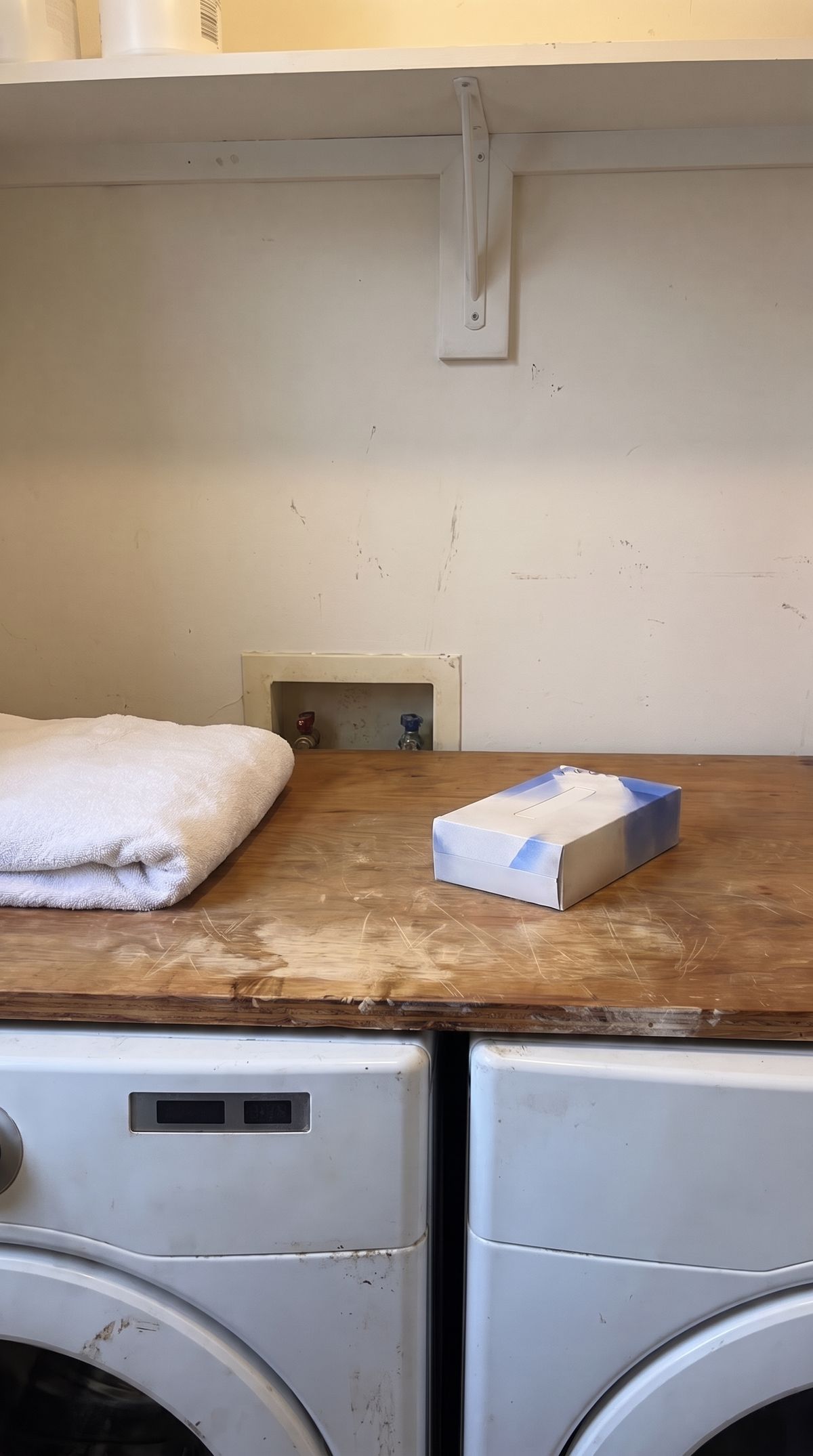
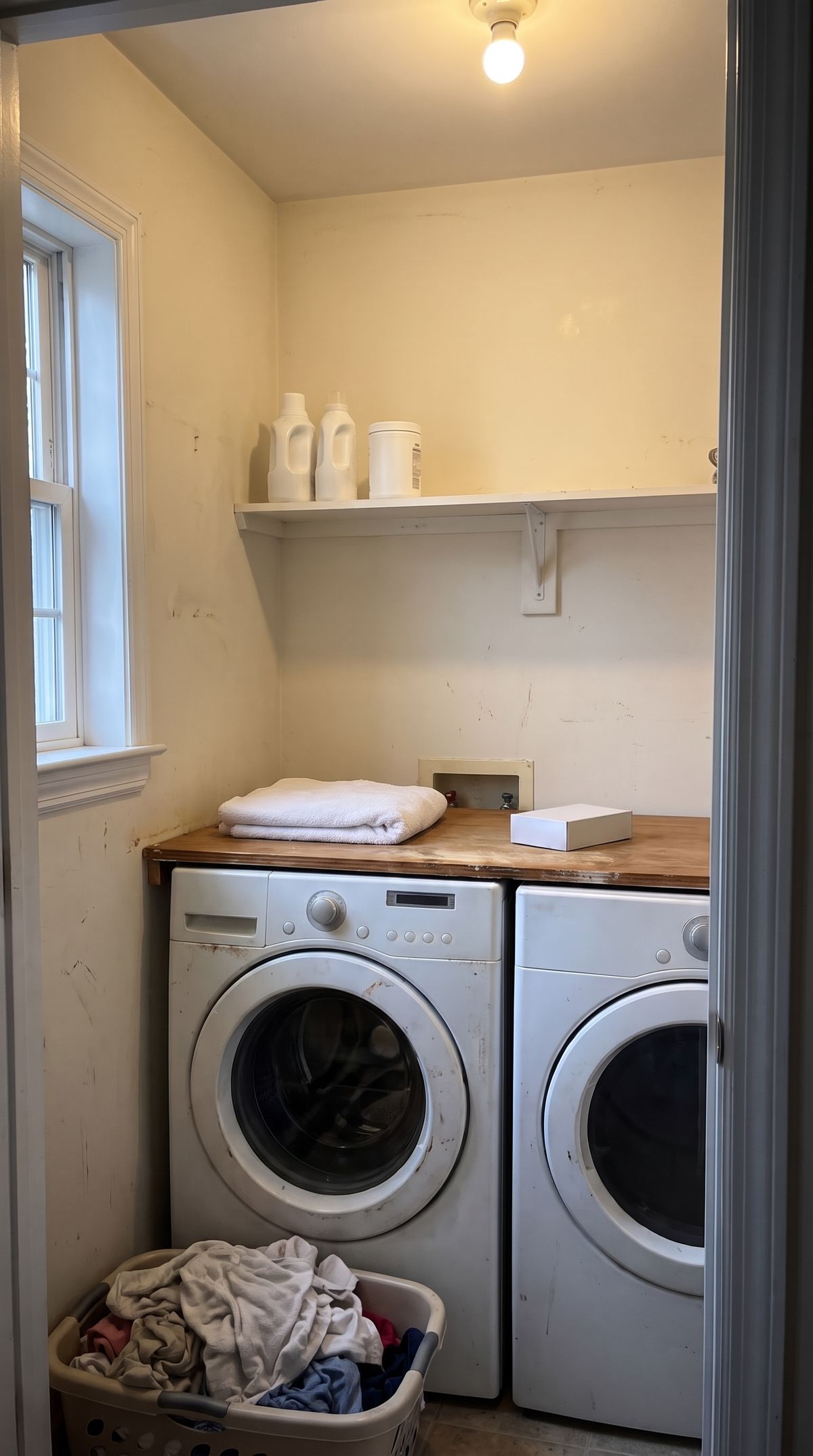
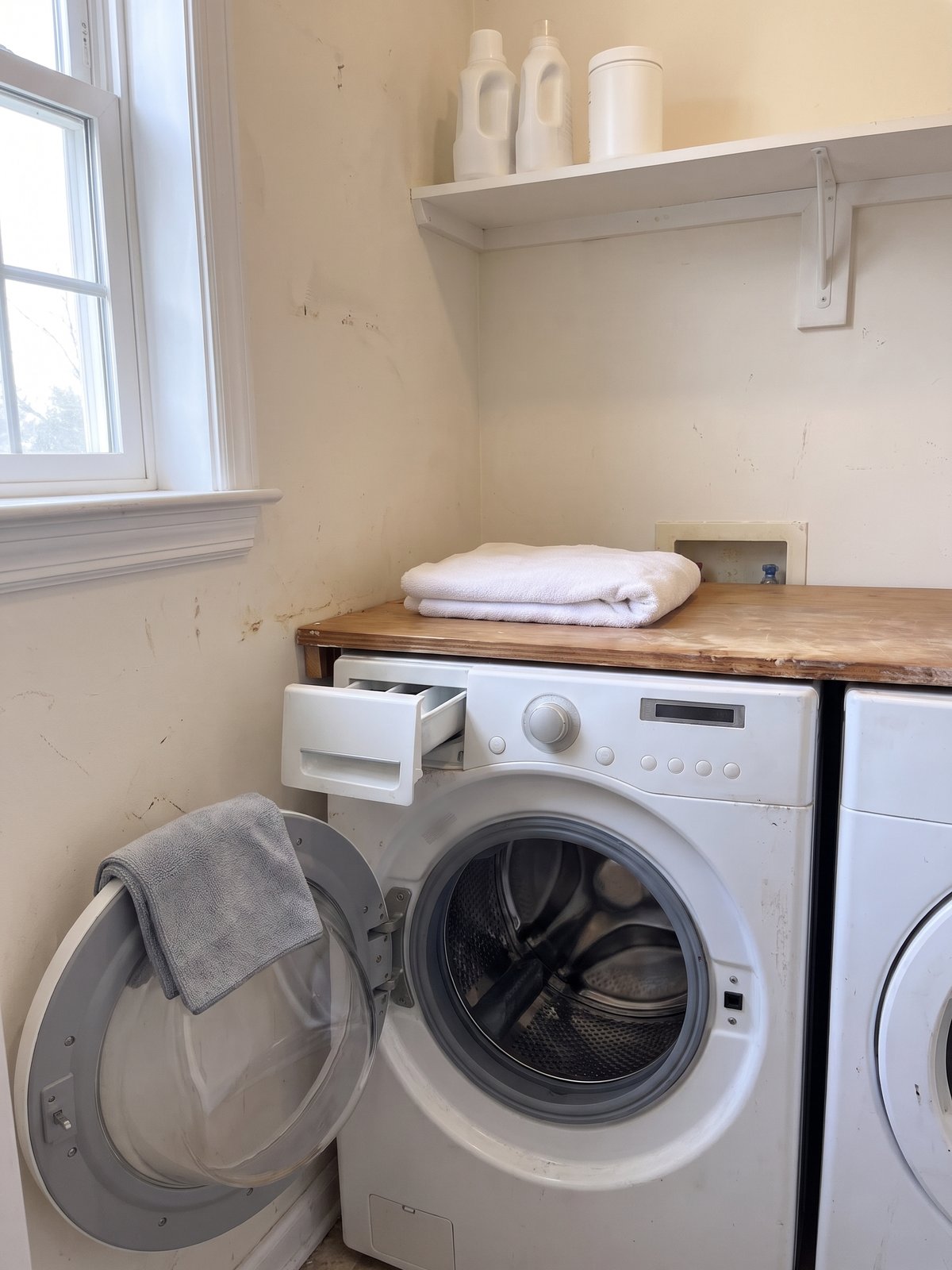
Folded white towels on a laundry room counter

The short answer

What works Do one reset, then change three habits. White 100% cotton towels: boil for 15 minutes in a stainless or enamel pot with 2 tablespoons of washing soda per gallon of water. Colored towels, blends, or no big pot: soak in oxygen bleach powder, then wash in the hottest water the label allows. After that, measure your detergent, skip fabric softener and dry towels all the way, fast.

How long
The boil reset is about an hour with heating and cooling. The soak reset is 1 to 6 hours of hands-off soaking plus a wash.
What it costs
A 55 oz box of Arm & Hammer Super Washing Soda was $5.49 and a 3 lb tub of OxiClean Versatile Stain Remover was $9.29 at Target.com on November 6, 2026. A reset uses a few tablespoons of washing soda or a few scoops of powder.
What you need
Washing soda or oxygen bleach powder, gloves, and for the boil, a big stainless or enamel pot and long tongs.
Jump to the steps
From your cabinet

Which reset is yours?

Look at the care tag first.

  • White, 100% cotton: you can use either reset. The boil is the strongest.
  • Colored towels: use the soak reset. Very hot water can fade colors.
  • Microfiber, polyester or any blend, or a tag that says warm or cold: soak reset only, at the temperature the tag allows. Nothing synthetic goes in a boiling pot.

The boil reset (white 100% cotton only)

  1. Set up a safe pot

    Use a stainless steel or enamel stockpot, never aluminum, since the washing soda label says not to use it on aluminum. Pick a pot big enough that the towel and water fill no more than about two thirds of it. Then turn on your stove’s fan, and keep kids and pets out of the kitchen until you are done.

  2. Measure water and washing soda

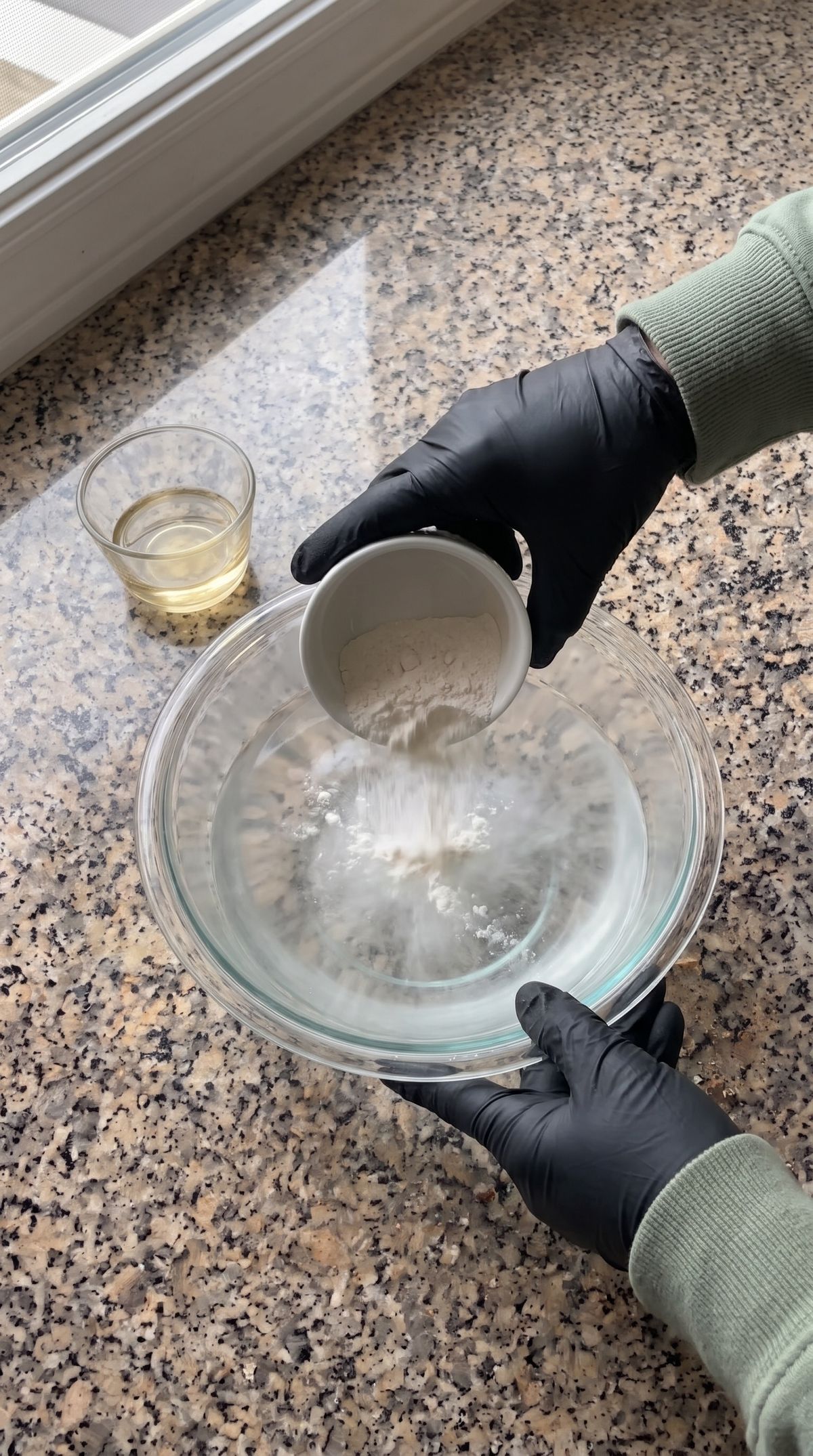
    Fill the pot with water and count as you go: 4 quarts is 1 gallon. Put on gloves and stir in 2 tablespoons of washing soda for every gallon. A 12 quart pot filled to two thirds holds 2 gallons, so that pot gets 4 tablespoons.

  3. Add the towel, then bring it to a boil

    Put one or two towels in while the water is still cool, and push them under with tongs. Then turn up the heat. When the towels go in before the water boils, you are not dropping anything into a hot pot, so nothing splashes up at you.

  4. Boil for 15 minutes

    Once it reaches a rolling boil, set a timer for 15 minutes. Turn the heat down so it boils gently without foaming over. Towels puff up with trapped air, so press them down with the tongs now and then. Never walk away and let the pot boil dry.

    What it looks like when it is working: watch the water. It often turns cloudy or yellowish as residue comes out of the towel, and that is exactly what you want to see leave.

  5. Let it cool, then lift it out

    Turn off the heat and let the water cool until you could hold a gloved hand in it comfortably. Then lift the towel with tongs into a clean sink or bucket and pour the water down the drain.

  6. Wash and dry it right away

    Wash the towel in the hottest water its label allows, with your usual detergent measured to the line. Leave out the fabric softener. Then dry it completely, right away, in the dryer or hung open.

The soak reset (colored towels, blends, or no big pot)

  1. Dissolve the powder

    Put on gloves. Fill a clean bathtub, laundry tub or big bucket with warm to hot tap water, never boiling, as the maker says. Stir in the oxygen bleach powder: the OxiClean Versatile label says fill the scoop to line 3 for each gallon of water. Let it dissolve all the way before the towels go in.

  2. Soak 1 to 6 hours

    Push the towels under so they are wet all the way through, and leave them 1 to 6 hours. If the smell has been hanging on for months, give it the full 6. On colored towels, test a hidden corner first. The label says the powder is for colorfast fabric only, meaning fabric whose color does not run.

  3. Wash hot, with a booster

    Move the towels to the washer without rinsing. Add oxygen bleach powder to the drum before the towels go in (for a regular load, the label says fill to the bottom of line B). Then wash in the hottest water the label allows, with your usual detergent measured to the line and no fabric softener.

  4. Dry right away, all the way

    Get them into the dryer or hung open as soon as the cycle ends. A wet load sitting in the washer gives the smell a head start.

How to tell it worked

Your nose is the test here. Smell the towels when they first come out of the washer, still damp, because that is when a sour towel gives itself away. If they smell like nothing at all, you are done.

Then check again after the first use, and again after the first day hanging in the bathroom. If the sour smell is back within a couple of uses, go to “When it will not work” below.

The three habits that keep it gone

The reset clears the smell out. These three habits keep it from moving back in.

  1. Measure your detergent. Fill the cap to the line and stop there. Speed Queen, a washer maker, says too much detergent leaves residue that keeps towels from drying well and gives bacteria a place to live. If you see suds left after the rinse, you used too much.
  2. Skip fabric softener on towels. It seems like softener would make towels softer. But the same maker says it builds up on towels and makes them less soft and less absorbent over time.
  3. Dry them fast and all the way. Hang towels open between uses, and never put a damp towel in the hamper. Laundry research found that slow drying leaves more bacteria on fabric.

When it will not work, and what to do instead

Sometimes the smell comes back, or never quite leaves. Here is what to check.

  • The towels smell fine, then sour again in a few days. That means the reset worked and a habit is bringing the smell back. Go over the three habits above, and wash towels often. Speed Queen suggests using a towel no more than three times between washes.
  • Freshly washed towels smell like the washer. Run a clean washer cycle at least once a month or every 30 washes, and leave the door or lid open between loads. That is Whirlpool’s advice, because the washer itself can hold the smell: standing water inside a washer feeds bacteria and mold.
  • You want to try vinegar. Keep it out of the washer. Maytag, a washer maker, says vinegar’s acid can wear down rubber seals and hoses over time, especially in front loaders. If you still want to try it, soak the towels in a tub instead: Maytag suggests 1 cup of vinegar in warm water for about 30 minutes. Rinse them well before they go back in the wash, and never add washing soda, oxygen bleach or chlorine bleach to that tub.
  • Your towels are microfiber or a blend. Skip the boil entirely. Use the soak reset at the tag’s temperature.

Be safe

  • Scald risk is the big one. Fill the pot no more than about two thirds, add towels before the water boils, use long tongs, let the water cool before you lift anything, keep kids and pets out, and never let the pot boil dry.
  • No aluminum pots. The washing soda label says do not use it on aluminum. Use stainless steel or enamel.
  • Gloves and eyes. The washing soda label says it is an eye irritant and harmful if swallowed. The oxygen bleach label says it can injure eyes. If either gets in your eyes, rinse with water for 15 minutes and get medical help.
  • Never seal oxygen bleach water. The label says not to mix or store the solution in a closed container, because pressure can build up.
  • Never mix chlorine bleach with vinegar, ammonia or oxygen bleach powder, and keep vinegar out of the washer. See the full never-mix chart.
  • Not for wool, silk or leather. Both labels say so.
  • Poison Help line, 1-800-222-1222. It is free and confidential, 24 hours a day, 7 days a week.

What to buy

We may earn a small fee from these links. It never changes the picks or your price.

More picks: Best cheap stain removers for clothes

Why it works

That sour smell is not dirt you can see. Scientists who studied towels in daily use found that bacteria build slimy little colonies deep in the woven base of the towel, down under the soft loops. Those towels started to smell after about two months of normal use.

Another research team linked the smell of washed laundry to one bacterium in particular. They found that cool, quick washes do not clear those bacteria, the skin oils they feed on, or the smell itself. Washes at about 122°F and up generally do.

That is why the fix is heat. It is also why the boil works so well on white cotton: boiling water is far hotter than any washer’s hot setting.

A towel that smells is not a sign you keep a dirty house. Most of the time it means somebody was trying to do right, maybe saving a little on the power bill with cold water, or adding an extra splash of soap to be sure. Those are good instincts pointed the wrong way.

A word from Denise

So give your towels one good reset, and turn the water up as far as the tag allows. Measure the soap, let the softener sit this one out, and get those towels dry. Then a clean towel smells like what it ought to smell like, which is nothing at all.

Questions people ask

Why do my towels smell bad even after I wash them?

Bacteria build up deep in the towel’s weave, and cool, quick washes do not clear them out. Leftover detergent, fabric softener and slow drying make it worse. A hot reset and better habits fix it.

Can I boil colored towels?

It is not worth the risk. Very hot water can fade colors, and boiling is hotter than any care label setting. Use the oxygen bleach soak instead.

Does vinegar get the smell out of towels?

Not in the washer. Maytag, a washer maker, says vinegar’s acid can wear down rubber seals and hoses, especially in front loaders. It suggests a soak in a tub instead: 1 cup of vinegar in warm water for about 30 minutes, then a good rinse. The hot reset above does the real work, and vinegar never goes in with washing soda, oxygen bleach or chlorine bleach.

Should towels be washed in hot water?

Yes, as hot as the care label allows. On a care label, “hot” means water from 112°F to 145°F. Laundry research found that about 122°F and up removes bacteria far better than cold washes.

How often should I wash bath towels?

Speed Queen suggests using a towel no more than three times between washes, and hanging it open to dry between uses.

More help like this

Next tipHow to get a grease stain out of a shirt
Denise laughing in her kitchen

About Denise

I’m Denise, and I explain home fixes the way a friend would at your kitchen table. Every tip I share is written from the sources listed on its page and checked against them before it goes up.

How my tips are checked

Sources

Sources opened and checked on November 7, 2026.

  1. Kato H, et al. Analysis of biofilm and bacterial communities in the towel environment with daily use. Scientific Reports, 2023 pmc.ncbi.nlm.nih.gov
  2. Van Herreweghen F, Amberg C, Marques R, Callewaert C. Biological and Chemical Processes that Lead to Textile Malodour Development. Microorganisms, 2020 pmc.ncbi.nlm.nih.gov
  3. Speed Queen, Freshening Towels 101 speedqueen.com
  4. Whirlpool, Removing odors from the interior of a washer producthelp.whirlpool.com
  5. Federal Trade Commission, Care Labeling Rule, Appendix A (hot water = 112 to 145°F) ftc.gov
  6. American Cleaning Institute, Laundering Problems and Solutions (water too hot for colored fabrics) cleaninginstitute.org
  7. Arm & Hammer, Super Washing Soda for laundry (2 Tbsp per gallon, aluminum, gloves) armandhammer.com
  8. Arm & Hammer Super Washing Soda, 55 oz, label text, Giant Food Stores product listing giantfoodstores.com
  9. OxiClean Versatile Stain Remover Powder, 48 oz, label text (line 3 per gallon soak, line B per load, colorfast only, never sealed, eyes, never mix), Giant Food Stores product listing giantfoodstores.com
  10. OxiClean, Versatile Stain Remover Powder product page (do not use boiling water; keep solution in an open container) oxiclean.com
  11. Washington State Department of Health, Bleach mixing dangers doh.wa.gov
  12. New Jersey Department of Health, Hazard Alert: Mixing bleach with other cleaning products can be deadly (PDF) nj.gov
  13. HRSA Poison Help, Calling Poison Help (1-800-222-1222; free and confidential help 24 hours a day, 7 days a week) poisonhelp.hrsa.gov
  14. Target.com search results (prices, checked 11/6/2026) target.com target.com target.com
  15. Maytag, Stop using vinegar to clean your washing machine (acid can wear down rubber seals and hoses, especially front load washers) maytag.com
  16. Maytag, Should you rewash laundry left in the washer overnight? (vinegar soak in a tub, 1 cup in warm water about 30 minutes, then rinse; vinegar can damage washer parts) maytag.com
Fact log: how each claim on this page was checked (29 claims)

Every claim on this page, the source behind it and what the check found. Kept open for anyone who wants to look under the hood.

ClaimSourceWhat the check found
Biofilm found only in the ground warp (base) of towels; odor and dullness after 2 months of useSource 1Matches the source.
Washed-laundry smell linked to Moraxella osloensis (“one bacterium in particular”)Source 2Matches the source.
Low-temperature cycles inefficient at removing microbes, sebum, odor compounds; 50°C (122°F) and up sufficient for bacterial removalSource 2Matches the source.
Slow drying = higher microbial loadSource 2Matches the source.
Stagnant water in the washer feeds bacterial and fungal growthSource 2Matches the source.
Boil reset: 2 Tbsp washing soda per gallon, boil 15 min, white 100% cotton onlySource 7 (2 Tbsp per gallon is the maker’s warm-water soak ratio)Matches the source. The 15-minute boil comes from the original video, backed by the heat research, not tested on smell itself
Pot no more than two thirds full, tongs, cool before lifting, kids and pets out, never boil dry, hood fan onGeneral stovetop safety advice; no single source on this pageStated as precautions
Add towels while water is cool to avoid splashingSafety reasoningPractical safety step
12 qt pot two thirds full = 2 gallons, so 4 Tbsp; 4 qt = 1 galArithmeticMatches the source.
Water may turn cloudy or yellowish as residue leavesGeneral observationPractical cue, framed as “may”
Boiling is hotter than any care-label hot setting (tops out at 145°F)Source 5Matches the source.
Water too hot can fade colored fabricSource 6Matches the source.
OxiClean label: line 3 per gallon soak, 1 to 6 hours; bottom of line B per regular load; washable colorfast only; test first; not wool, silk, leather, dry clean only; injurious to eyes, flush 15 min; do not mix or store solution sealed; do not mix with ammonia, chlorine bleach or other household chemicalsSource 9 (label via retailer)Matches the source (label).
Do not use boiling water with OxiClean powder; keep solution in an open containerSource 10Matches the source (maker).
Oxygen bleach partly offsets lower wash temperaturesSource 2 (“can compensate to a certain extent”)Matches the source. Supports the soak reset for colors
Too much detergent leaves residue, slows drying, breeding ground for bacteria; leftover suds = too muchSource 3Matches the source (washer maker, not neutral).
Softener builds up on towels, reduces softnessSource 3Matches the source (maker view; framed as “skip it on towels”).
“Less absorbent” from softenerSource 3 says buildup makes towels less absorbentMatches the source (maker view).
Hang towels, never a wet towel in the hamper; use a towel no more than three times between washesSource 3Matches the source (maker suggestion, framed as such).
Whirlpool: clean washer cycle at least monthly or every 30 cycles; leave door or lid open between usesSource 4Matches the source (maker).
Vinegar stays out of the washer (acid can wear seals and hoses, especially front loaders); optional tub soak, 1 cup vinegar in warm water about 30 minutes, then rinseSources 15 and 16Matches the source (maker; site-wide vinegar rule November 7: no vinegar in the washer).
Never mix vinegar with chlorine bleach (chlorine gas); peroxide (from oxygen bleach) plus vinegar makes peracetic acidSources 11 and 12Matches the source (official).
Washing soda: not on aluminum; eye irritant, harmful if swallowed; not for wool, silk, leatherSources 7 and 8Matches the source (label).
Care label hot = 112 to 145°FSource 5Matches the source (official).
Smell test while damp out of the washerGeneral observationPractical cue
“About an hour” for the boil reset15-minute boil plus heat-up and coolingEstimate from the steps
Prices: washing soda 55 oz $5.49; OxiClean Versatile 3 lb $9.29; GoodCook 12 in locking tongs $6.99Source 14, opened November 6, 2026Dated, Target.com online
Hook softened: no “never wash a stinky towel”Wording choiceApplied
No germ-kill claimsSite rule (no health claims)Applied: research findings about bacteria removal are reported as study results, not as “kills germs”