How Long Leftovers Really Last in the Fridge (A Simple Chart)

Every tip here is checked against the sources listed at the bottom.

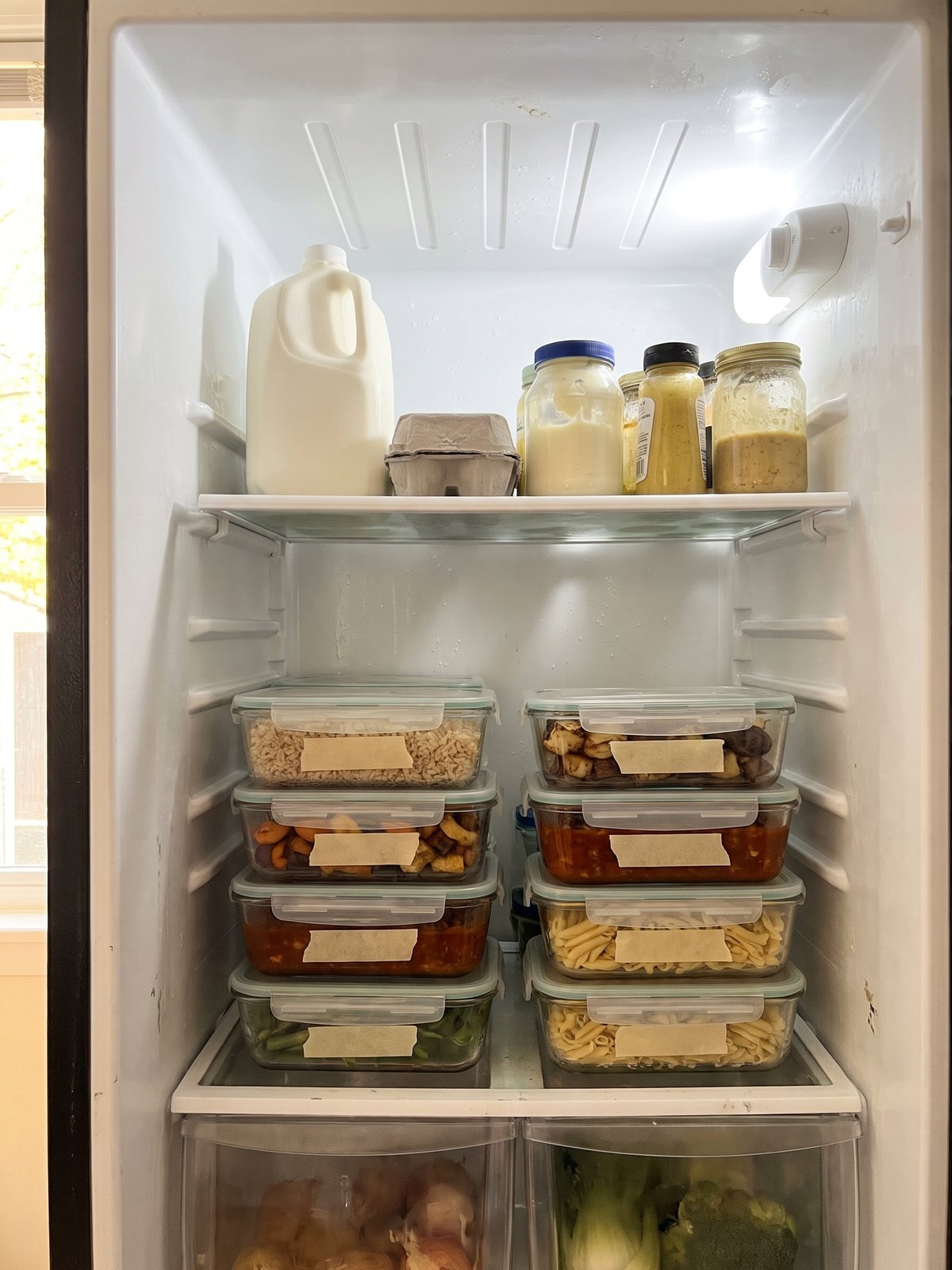
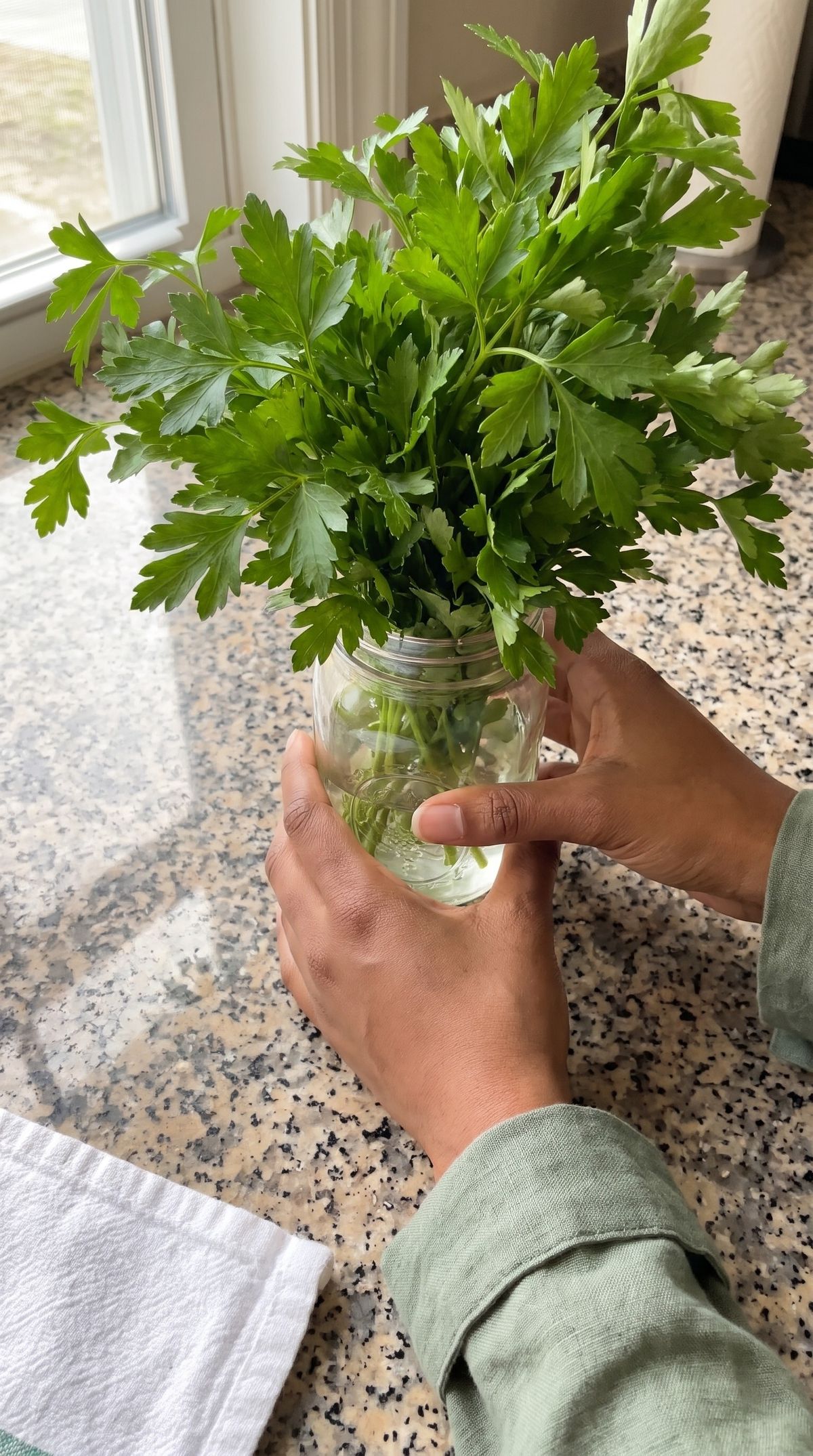
Three shallow glass containers of leftovers on a fridge shelf, each lid marked with tape and a date, and a small fridge thermometer on the shelf

The short answer

What works Get leftovers into the fridge within 2 hours of cooking, or within 1 hour when it is over 90°F. Store them covered in shallow containers. Eat or freeze most of them within 3 to 4 days, and reheat them to 165°F.

How long
USDA gives 3 to 4 days for most cooked leftovers in a fridge at 40°F or below. A few keep a little longer, like cooked pasta (3 to 5 days) and hard-cooked eggs (1 week). The chart below has the rest.
What it costs
Nothing, if you already own containers with lids. A fridge thermometer ran $9.88 to $11.92 at Walmart.com on 11/7/2026.
What you need
Shallow containers with lids, tape and a marker for dates, a fridge thermometer, and a food thermometer for reheating.
Jump to the steps

Before you start: the leftovers chart

These are fridge times for food kept at 40°F or below, from USDA and FoodSafety.gov. When a food is not on the list, use 3 to 4 days.

LeftoverDays in the fridge
Cooked meat, chicken or turkey3 to 4 days
Cooked fish or shellfish3 to 4 days
Soups and stews3 to 4 days
Casseroles3 to 4 days
Cooked egg dishes3 to 4 days
Pizza3 to 4 days
Cooked rice3 to 4 days
Cooked vegetables and potatoes3 to 4 days
Gravy and broth3 to 4 days
Store-cooked dinners3 to 4 days
Egg, chicken, tuna and macaroni salads3 to 4 days
Pumpkin or pecan pie3 to 4 days
Cooked pasta3 to 5 days
Potato salad3 to 5 days
Quiche3 to 5 days
Hard-cooked eggs1 week

Step by step

  1. Put the food away within 2 hours

    Start the clock when the food comes off the heat, and get it into the fridge within 2 hours. If it is over 90°F where the food sits, like at a summer picnic, you only get 1 hour.

  2. Split big batches into shallow containers

    A big pot of soup takes a long time to cool, so ladle it into a few shallow containers instead. Cut large pieces of meat, like a roast, into smaller parts first.

    You do not have to wait for the food to cool. USDA says hot food can go straight into the fridge, or you can chill it fast in a bowl of ice or cold water first.

    What it looks like: several small, shallow containers instead of one tall pot.

  3. Cover each container tightly

    Put a lid on it, wrap it well, or seal it in a storage container. USDA says a good cover keeps bacteria out, keeps the food moist, and stops it from picking up smells from other food.

  4. Write the date on the lid

    Put a strip of tape on each lid and write the day you cooked it. That one word saves you from guessing later in the week.

    What it looks like: a short strip of tape on the lid that says “Mon” or “11/9” in marker.

  1. Check that your fridge is at 40°F or below

    Set a fridge thermometer on a middle shelf and read it the next morning. If it reads above 40°F, turn the fridge colder and check again the next day. Unless your fridge has a thermometer built in, this is the only way to know for sure.

    What it looks like: the needle or screen sitting at 40°F or a little under.

  2. Eat it or freeze it by day 4

    Anything you will not eat by day 4 goes into the freezer while it is still good.

  3. Reheat to 165°F

    Heat leftovers until they reach 165°F, checked with a food thermometer. Bring soups, sauces and gravies all the way to a rolling boil.

    In the microwave, cover the dish with a microwave-safe lid and vent it so steam can get out. Stir or turn the food halfway through, let it stand, then check the temperature in a few spots, because microwaves leave cold spots.

    What it looks like: steam coming off the food, and the thermometer reading 165°F or higher.

When it will not work, and what to do instead

Most leftover trouble comes from one of these.

  • The food sat out overnight. That is far past 2 hours. Throw it out, even if it looks and smells fine.
  • It smells fine, but it is day 6. USDA says the germs that make people sick usually do not change how food looks, smells or tastes. Go by the date, not your nose.
  • There is mold on it. Throw out moldy cooked leftovers, pasta, rice and casseroles. Do not sniff it, because USDA says that can cause breathing trouble. Check the food that sat next to it, and clean the spot where it was.
  • Your fridge runs warm. If the thermometer reads above 40°F, turn the fridge colder. USDA says food held above 40°F for more than 2 hours should not be eaten.
  • You lost track of the date. If you cannot tell how old it is, throw it out, and start taping dates on the lids.

Be safe

  • 2 hours, or 1 hour over 90°F. After that, perishable food belongs in the trash, not the fridge.
  • Reheat to 165°F with a food thermometer. Bring soups and gravies to a rolling boil.
  • Your nose cannot tell you food is safe. Use the dates.
  • Throw out moldy cooked leftovers. Do not cut around mold on cooked food.
  • Cooked rice needs extra care. Cool it fast and reheat only what you will eat, as the rice question below explains.

See the never-mix chart

What to buy

We may earn a small fee from these links. It never changes the picks or your price.

  • Painter’s tape or food label tape

    It peels off clean and takes a marker. Painter’s tape rolls ran $7.99 to $9.99, and food label tape started at $12.99, at Walmart.com on 11/7/2026.

  • A fridge thermometer

    It tells you if your fridge is really at 40°F. They ran $9.88 to $11.92 at Walmart.com on 11/7/2026.

  • Shallow glass containers with lids

    Glass can go from the fridge to the microwave. Sets of 5 to 7 ran $19.99 to $20.59 at Walmart.com on 11/7/2026.

You may already have all of this.

Why it works

Here is what is going on. The germs that make people sick grow fastest between 40°F and 140°F, and USDA calls that range the Danger Zone. Cold slows them down, but a few, like Listeria, can still grow slowly in the fridge.

That is why the clock matters on both ends. The 2-hour rule keeps food out of the Danger Zone, and the 3 to 4 day limit stops it before that slow growth in the fridge catches up.

Shallow containers help because thin layers cool faster. It is the same reason a puddle dries up long before a bucket does.

A word from Denise

So many of us have stood at the open fridge, trying to remember if that was Sunday’s chicken or Wednesday’s. Here is the habit that ends the guessing. Put tape and a date on the lid every single time, and let the date make the call.

Questions people ask

Are leftovers still good after 5 days?

USDA says to eat or freeze most leftovers within 3 to 4 days, and calls 4 days a general rule of thumb. By day 5, most leftovers are past that line, so freeze them by day 4 if you need more time.

How long does cooked rice last in the fridge?

Plan on 3 to 4 days, and get it into the fridge within 2 hours. Rice can carry spores of a germ called Bacillus cereus. If cooked rice sits out too long, it can make a toxin that reheating does not destroy, so reheat only the portion you plan to eat.

One FoodKeeper entry says 4 to 6 days, but USDA’s leftovers entry and the University of Maine say 3 to 4, so this page uses the shorter number.

Can I freeze leftovers and eat them later?

Yes. Freeze them within the 3 to 4 days, and they keep their best quality for 3 to 4 months. USDA says they stay safe longer, but they slowly lose moisture and flavor. Thaw them in the fridge, in cold water or in the microwave. Leftovers thawed in the fridge should be eaten within 3 to 4 days.

More help like this

Next tipHow to store onions, potatoes and garlic
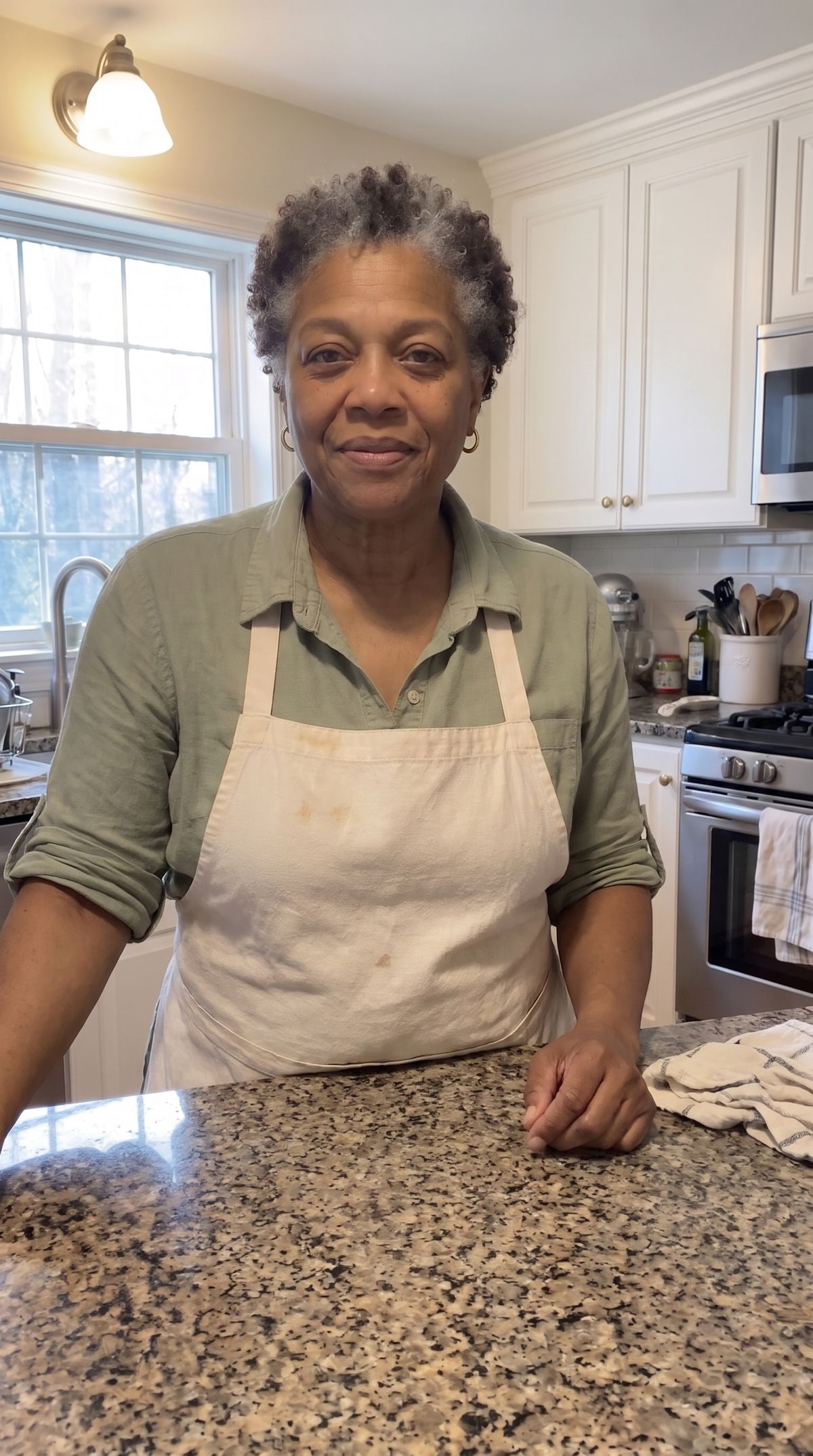
Denise laughing in her kitchen

About Denise

I’m Denise, and I explain home fixes the way a friend would at your kitchen table. Every tip I share is written from the sources listed on its page and checked against them before it goes up.

How my tips are checked

Sources

Sources opened and checked on November 7, 2026.

  1. USDA Food Safety and Inspection Service, Leftovers and Food Safety (Danger Zone 40°F to 140°F, 2-hour and 1-hour rules, shallow containers, cut large items, hot food straight into the fridge or an ice or cold water bath, cover or wrap airtight, 3 to 4 days, freezer 3 to 4 months, thawing, reheat to 165°F, rolling boil, microwave cover, vent, rotate, rest, cold spots). Rechecked 11/7/2026 fsis.usda.gov
  2. FoodSafety.gov, Cold Food Storage Chart (fridge at 40°F or below; salads, cooked meat and poultry, soups and stews, egg casseroles, pizza, pies 3 to 4 days; quiche 3 to 5 days; hard-cooked eggs 1 week). Rechecked 11/7/2026 foodsafety.gov
  3. USDA FSIS FoodKeeper data (leftovers with or without meat, including cooked vegetables, rice and potatoes, 3 to 4 days; cooked fish and cooked shellfish 3 to 4 days; cooked pasta 3 to 5 days; potato salad 3 to 5 days; cooked rice 4 to 6 days). Rechecked 11/7/2026 fsis.usda.gov
  4. USDA Food Safety and Inspection Service, Refrigeration and Food Safety (40°F or below, appliance thermometer if no built-in one, pathogens do not change taste, smell or look, Listeria multiplies in the fridge, food above 40°F for more than 2 hours, 4-day rule of thumb, store-cooked dinners, gravy and broth, cooked egg dishes and casseroles 3 to 4 days). Rechecked 11/7/2026 fsis.usda.gov
  5. USDA Food Safety and Inspection Service, Molds on Food: Are They Dangerous? (do not sniff, respiratory trouble, discard moldy cooked leftovers, casseroles, grains and pasta, check nearby food, clean the spot). Rechecked 11/7/2026 fsis.usda.gov
  6. University of Maine Cooperative Extension, Is Your Leftover Rice Safe? (March 5, 2026; Bacillus cereus spores, heat-stable toxins, reheating does not remove them, 2-hour rule, 3 to 4 days). Rechecked 11/7/2026 extension.umaine.edu
  7. NC State Extension, Brunswick County, Safety of Leftover Rice (Feb. 19, 2024; heat-resistant toxin, reheat only the portion you will eat). Rechecked 11/7/2026 brunswick.ces.ncsu.edu
  8. USDA Food Safety and Inspection Service, Cooking with Microwave Ovens (stir, rotate or turn food midway; vent the cover; standing time; check with a food thermometer). Opened 11/7/2026 fsis.usda.gov
  9. Walmart.com search results (prices, checked 11/7/2026) walmart.com walmart.com walmart.com
Fact log: how each claim on this page was checked (23 claims)

Every claim on this page, the source behind it and what the check found. Kept open for anyone who wants to look under the hood.

ClaimSourceWhat the check found
Refrigerate within 2 hours; 1 hour above 90°FSource 1; Source 6Matches the source.
Most cooked leftovers 3 to 4 days in the fridgeSources 1, 2, 3, 4Matches the source.
Fridge at 40°F or below; use an appliance thermometer unless the fridge has one built inSources 2, 4Matches the source.
Chart rows: cooked meat and poultry, soups and stews, egg casseroles, pizza, salads, pumpkin or pecan pie 3 to 4 days; quiche 3 to 5; hard-cooked eggs 1 weekSource 2Matches the source (FSIS Refrigeration page gives store-prepared salads 3 to 5 days; this page uses FoodSafety.gov’s shorter 3 to 4).
Chart rows: cooked fish and shellfish 3 to 4; cooked vegetables, rice and potatoes 3 to 4; cooked pasta 3 to 5; potato salad 3 to 5Source 3Matches the source.
Gravy and broth, store-cooked dinners, cooked egg dishes 3 to 4 daysSource 4Matches the source (“takeout” dropped from the row: not named by the source).
Cooked rice 3 to 4 daysSource 3 (leftovers entry), Source 6Matches the source. Source 3 also has a cooked rice entry of 4 to 6 days. The page uses the shorter number and says so in the FAQ
“When a food is not on the list, use 3 to 4 days”Source 1 (leftovers 3 to 4 days); Source 4 (general rule of thumb 4 days)Matches the source.
Freezer: best quality 3 to 4 months; frozen leftovers stay safe longer but lose moisture and flavorSource 1Matches the source.
Divide into shallow containers; cut large items into smaller partsSources 1, 4Matches the source.
Hot food can go straight into the fridge or into an ice or cold water bathSource 1Matches the source.
Covering keeps bacteria out, keeps moisture in, stops odor pickupSource 1Matches the source.
Reheat to 165°F with a food thermometer; sauces, soups and gravies to a rolling boilSource 1Matches the source.
Microwave: microwave-safe cover, vent for steam, stir or turn midway, standing time, check several spots, cold spotsSources 1, 8Matches the source.
Pathogens usually do not change taste, smell or lookSource 4Matches the source.
Listeria can grow at fridge temperatures; refrigeration slows bacterial growthSource 4Matches the source.
Danger Zone 40°F to 140°FSource 1Matches the source.
Moldy cooked leftovers, casseroles, grains and pasta: discard; do not sniff (respiratory trouble); check nearby food; clean the spotSource 5Matches the source.
Food above 40°F for more than 2 hours should not be eatenSource 4Matches the source.
Bacillus cereus spores in rice; heat-stable toxin; reheating does not remove it; reheat only what you eatSources 6, 7Matches the source.
Thaw in fridge, cold water or microwave; eat fridge-thawed leftovers within 3 to 4 daysSource 1Matches the source.
Puddle versus bucket comparisonEveryday picture for Source 1 (a big pot takes a long time to cool)Matches the source (comparison for a sourced fact).
Prices: fridge thermometers $9.88 to $11.92; glass container sets $19.99 to $20.59; painter’s tape $7.99 to $9.99; label tape from $12.99Source 9, read on November 7, 2026Matches the source. Dated Walmart.com online. Target prices cut (Target pages would not load); Target links kept with no price