A word from Denise
And then make it a habit. Wipe spills the day they happen, and change that box of baking soda every 30 days. Write the date right on the box, so you never have to guess.
Every tip here is checked against the sources listed at the bottom.
 By Denise. Checked on November 7, 2026 against the sources at the bottom of this page.
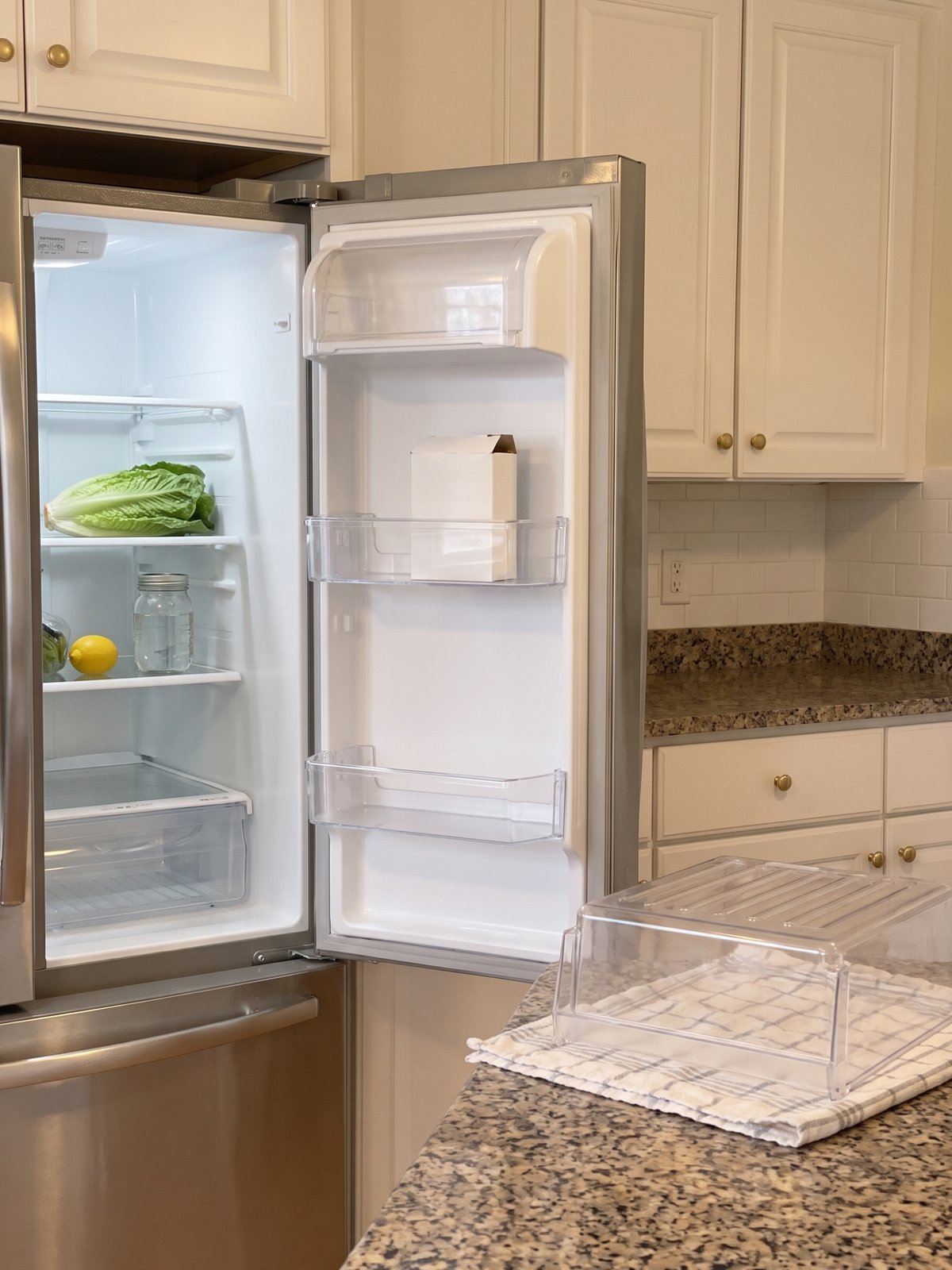
What works Throw out the food or spill causing the smell. Wipe the inside with 1 tablespoon of baking soda in a quart of warm water, and wash the shelves and drawers in warm, soapy water. Dry everything, leave the door open about 15 minutes, then set an open box of baking soda inside.
If the smell started after a power outage, the food comes first. The FDA says to throw out refrigerated perishable food, like meat, poultry, seafood, milk, eggs and leftovers, that has been above 40°F for 4 hours or more. The FDA also says you cannot rely on how food looks or smells to tell if it is safe.
A closed fridge keeps food cold for about 4 hours, according to the FDA. A full freezer holds its temperature about 48 hours with the door closed, or 24 hours if it is half full.
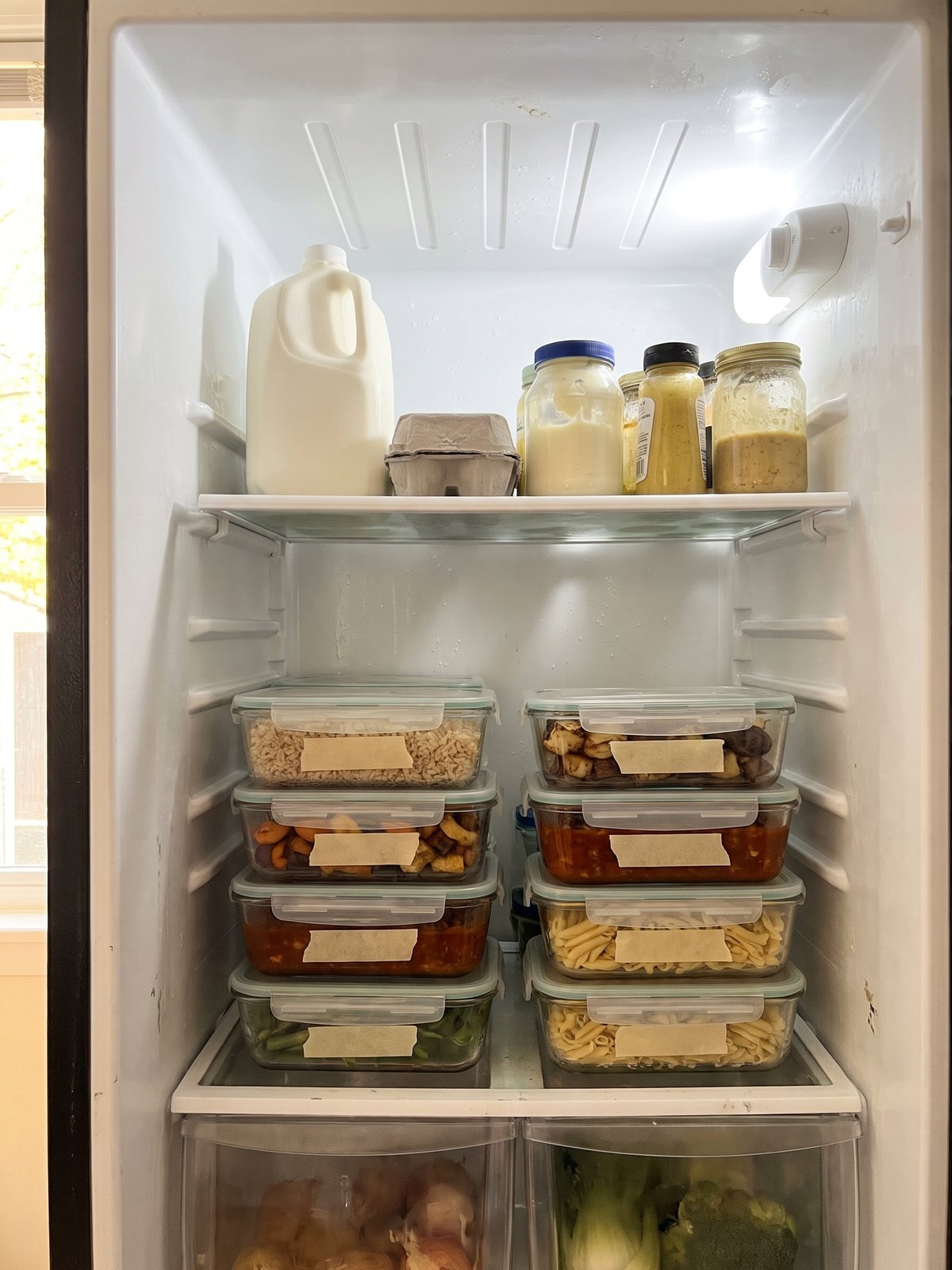
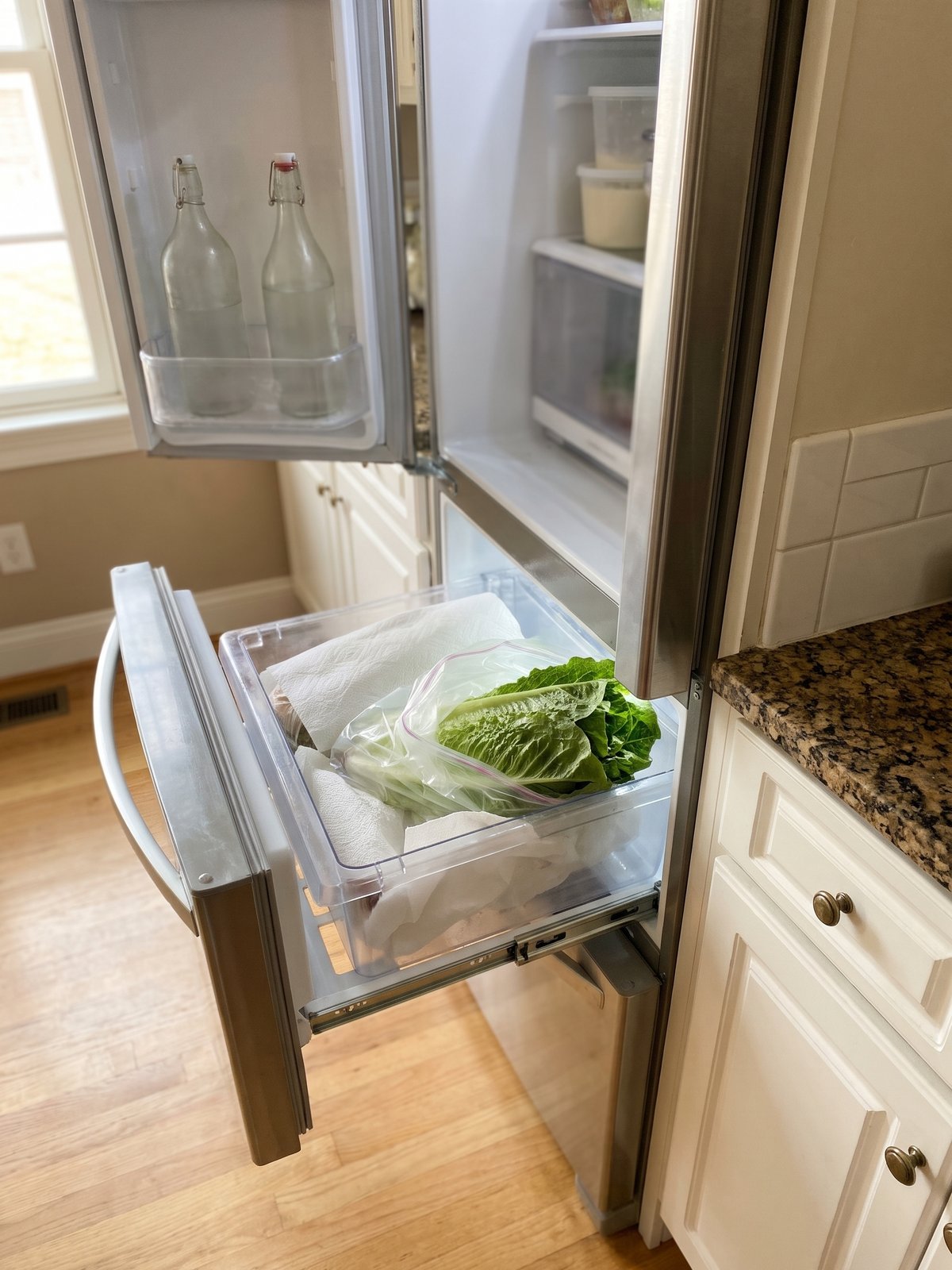
Go shelf by shelf and drawer by drawer. Check dates, open containers and lift the crisper drawers to look underneath. Throw out anything spoiled or past its date, and bag it right away so the smell leaves the kitchen with it.
Put everything you are keeping into a cooler with ice packs, as Whirlpool suggests. Wipe sticky jars and containers before they go back in later. Whirlpool also says to unplug the fridge or turn off the cooling before a deep clean.
Lift out the shelves and drawers, using both hands on glass shelves because they are heavy. Let cold glass sit on a towel until it reaches room temperature. Whirlpool says glass shelves may break from a sudden change in temperature.
Once the glass is room temperature, wash the shelves and drawers in warm water with a little mild dish soap. Rinse them and dry them with a soft cloth.
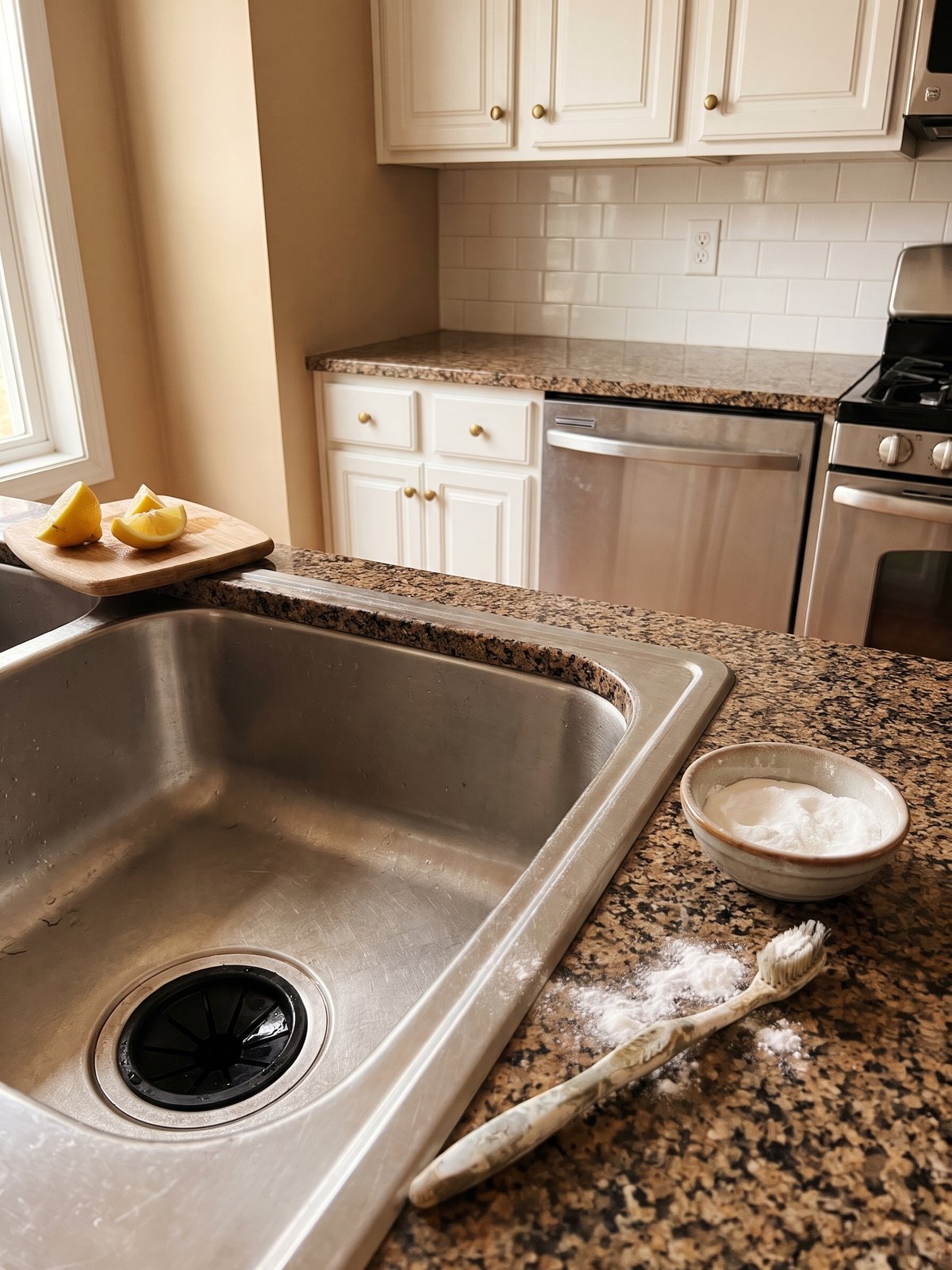
Stir 1 tablespoon of baking soda into a quart of warm water until it dissolves. That is the ratio both Texas A&M AgriLife Extension and Whirlpool give. Wipe the walls, the floor of the fridge, the inside of the door and the door gasket (the rubber seal), and gently lift the folds of the gasket to get the crumbs out.
Wipe everything again with a cloth dipped in clean water. Dry every surface completely with a lint-free towel. Then leave the door open for about 15 minutes so air can move through, as the University of Nebraska’s extension page advises.
Put the shelves and drawers back, plug the fridge in and return the food. Keep a thermometer inside, because the FDA says the fridge should be at or below 40°F.
Open a box of baking soda and stand it upright on a shelf. The Arm & Hammer Fridge-n-Freezer box is made for this: you take off the front and back panels and leave the top on. Its label says to change it every 30 days, and to write the date that is 30 days from opening right on the box.
A strong smell can hang on after a good cleaning. Here is what to do next.
We may earn a small fee from these links. It never changes the picks or your price.
Made to stand open on a shelf, with the 30-day change on the label. $1.59 at Target.com on 11/6/2026.
For the wipe-down water. $1.79 at Target.com on 11/6/2026.
The FDA says to keep appliance thermometers in the fridge and freezer. The Maverick Refrigerator/Freezer Thermometer was $9.95 at Target.com on 11/6/2026.
The free Kitchen and Laundry Rescue Guide has the fridge clean-out steps, the power outage rule and the never-mix chart, ready to print.
Here is the thing about a fridge smell. Texas A&M’s odor guide starts with one plain step: remove the food. Only after that do you wash and set out baking soda.
After that, baking soda does the cleanup. It is a mild alkali (the opposite of an acid, like vinegar), and the American Cleaning Institute says it can act as a deodorizer inside refrigerators and freezers, where it absorbs odors from food.
Activated charcoal is the next step when baking soda is not enough. Texas A&M notes that it is extra dry and soaks up smells faster than the charcoal you grill with.
Most of us find the smell before we find the cause. You open the door, wrinkle your nose and start sniffing jars one at a time, and that is the right instinct.
A word from Denise
And then make it a habit. Wipe spills the day they happen, and change that box of baking soda every 30 days. Write the date right on the box, so you never have to guess.
It helps. The American Cleaning Institute says baking soda can act as a deodorizer inside refrigerators and freezers. Texas A&M’s guide still says to remove the food and wash first.
Every 30 days, according to the Arm & Hammer Fridge-n-Freezer label. Write the date on the box.
First follow the FDA food rule: throw out perishable food that sat above 40°F for 4 hours or more. Then clean with baking soda water. If the smell lingers, run the empty fridge with activated charcoal or fresh coffee grounds for 2 or 3 days.
No. Let them warm to room temperature first, because Whirlpool says glass shelves may break from a sudden change in temperature.

I’m Denise, and I explain home fixes the way a friend would at your kitchen table. Every tip I share is written from the sources listed on its page and checked against them before it goes up.
Sources opened and checked on November 7, 2026.
Every claim on this page, the source behind it and what the check found. Kept open for anyone who wants to look under the hood.
| Claim | Source | What the check found |
|---|---|---|
| Discard refrigerated perishable food (meat, poultry, seafood, milk, eggs, leftovers) above 40°F for 4 hours or more | Source 1 | Matches the source (official; rechecked November 7). |
| Cannot rely on appearance or odor | Source 1 | Matches the source (official; rechecked November 7). |
| Closed fridge keeps food cold about 4 hours; full freezer about 48 hours, half full 24 | Source 1 | Matches the source (official; rechecked November 7). |
| Fridge at or below 40°F; keep appliance thermometers | Source 1 | Matches the source (official; rechecked November 7). |
| Cooler with ice packs; unplug or turn off cooling before a deep clean | Source 4 | Matches the source (maker; rechecked November 7). |
| Glass shelves: heavy, both hands; room temperature before warm water; may break from sudden temperature change | Sources 4 and 5 | Matches the source (maker; rechecked November 7). |
| Shelves and bins in warm water with mild dish soap | Source 4 | Matches the source (maker; rechecked November 7). |
| 1 tablespoon baking soda per quart of warm water | Sources 3 and 4 | Matches the source (extension and maker; rechecked November 7). |
| Wash interior, door and gasket; lift gasket folds | Sources 2 and 4 | Matches the source (rechecked November 7). |
| Rinse, dry completely with lint-free towel | Source 4 | Matches the source (maker; rechecked November 7). |
| Door open about 15 minutes | Source 2 | Matches the source (extension, credited to USDA FSIS; rechecked November 7). |
| Fridge-n-Freezer box: remove both panels, keep top, upright, change every 30 days, write the date 30 days from opening | Source 6 | Matches the source (label via retailer; rechecked November 7). |
| Activated charcoal, clean kitty litter or baking soda trays; empty fridge running 2 or 3 days | Source 2 | Matches the source (extension, credited to USDA FSIS; rechecked November 7). Texas A&M (Source 3) says to unplug and leave several days; the page follows Nebraska |
| Activated charcoal is extra dry, absorbs odors faster than cooking charcoal; sold at drug and pet supply stores | Source 3 | Matches the source (extension; rechecked November 7). |
| Fresh ground coffee on cookie sheets; slight coffee odor disappears after washing and rinsing | Source 2 | Matches the source (extension; rechecked November 7). |
| Odor in insulation needs a technician (Nebraska) or the manufacturer (Texas A&M); sometimes nothing can be done | Sources 2 and 3 | Matches the source (extension; rechecked November 7). |
| Whirlpool cleaners not to use inside: window sprays, scouring cleansers, flammable fluids, cleaning waxes, concentrated detergents, bleaches, petroleum cleansers; cleaner should be bleach free and ammonia free | Source 4 | Matches the source (maker; rechecked November 7). Nebraska (Source 2) suggests a bleach sanitizing rinse; this page follows the fridge maker and leaves bleach out |
| Baking soda is a mild alkali and can act as a deodorizer inside refrigerators and freezers | Source 7 | Matches the source (rechecked November 7). |
| Remove the food first, then wash | Source 3 | Matches the source (extension; rechecked November 7). |
| Poison Help line, 1-800-222-1222; free and confidential, 24 hours a day, 7 days a week | Source 8 | Matches the source (HRSA Calling Poison Help page; one wording site-wide, November 7). |
| Prices: Fridge-n-Freezer 14 oz $1.59; Pure Baking Soda 1 lb $1.79; Maverick fridge thermometer $9.95 | Source 9, opened November 6, 2026 | Matches the source (dated, Target.com online). |