How to Clean a Stinky Kitchen Drain (and Why Bleach Will Not Fix It)

Every tip here is checked against the sources listed at the bottom.

A kitchen sink with the strainer basket lifted out and resting on the counter, a long flexible drain brush beside it, gloved hand

The short answer

What works Scrub the slimy film out of the drain with a long, stiff drain brush, then flush it with hot tap water. At bedtime, pour in an enzyme drain cleaner and leave it alone overnight. Repeat the enzyme treatment for a few weeks, because one dose will not finish the job.

How long
About 10 minutes of scrubbing, then 6 to 8 hours overnight for the enzyme cleaner. Plan on repeat treatments over several weeks.
What it costs
A 30 oz bottle of Drano FlowGuard Enzymatic Build-Up Remover was $12.34 at Target.com on November 7, 2026. A 48 inch Brushtech drain brush was $20.99 on sale there, and you can use it again and again.
What you need
Rubber gloves, a long flexible drain brush, an old toothbrush, hot tap water and an enzyme drain cleaner.
Jump to the steps

Before you start: what kind of smell is it?

Take one good sniff, because the smell tells you where to look.

  • Sour, musty or like old food: that points to the slimy film inside the drain. This page is for you.
  • Rotten eggs, or a sewer smell: that can be sewer gas coming up through the plumbing. Skip to “When it will not work” below.
  • It comes from the side with the garbage disposal: the disposal has its own fix. See How to clean a garbage disposal and stop the smell.

Step by step

  1. Pull out the strainer and wash it

    Put on your gloves. Lift out the strainer basket or stopper and wash it in hot, soapy water. Scrub the underside and the little holes with an old toothbrush.

  2. Scrub inside the drain

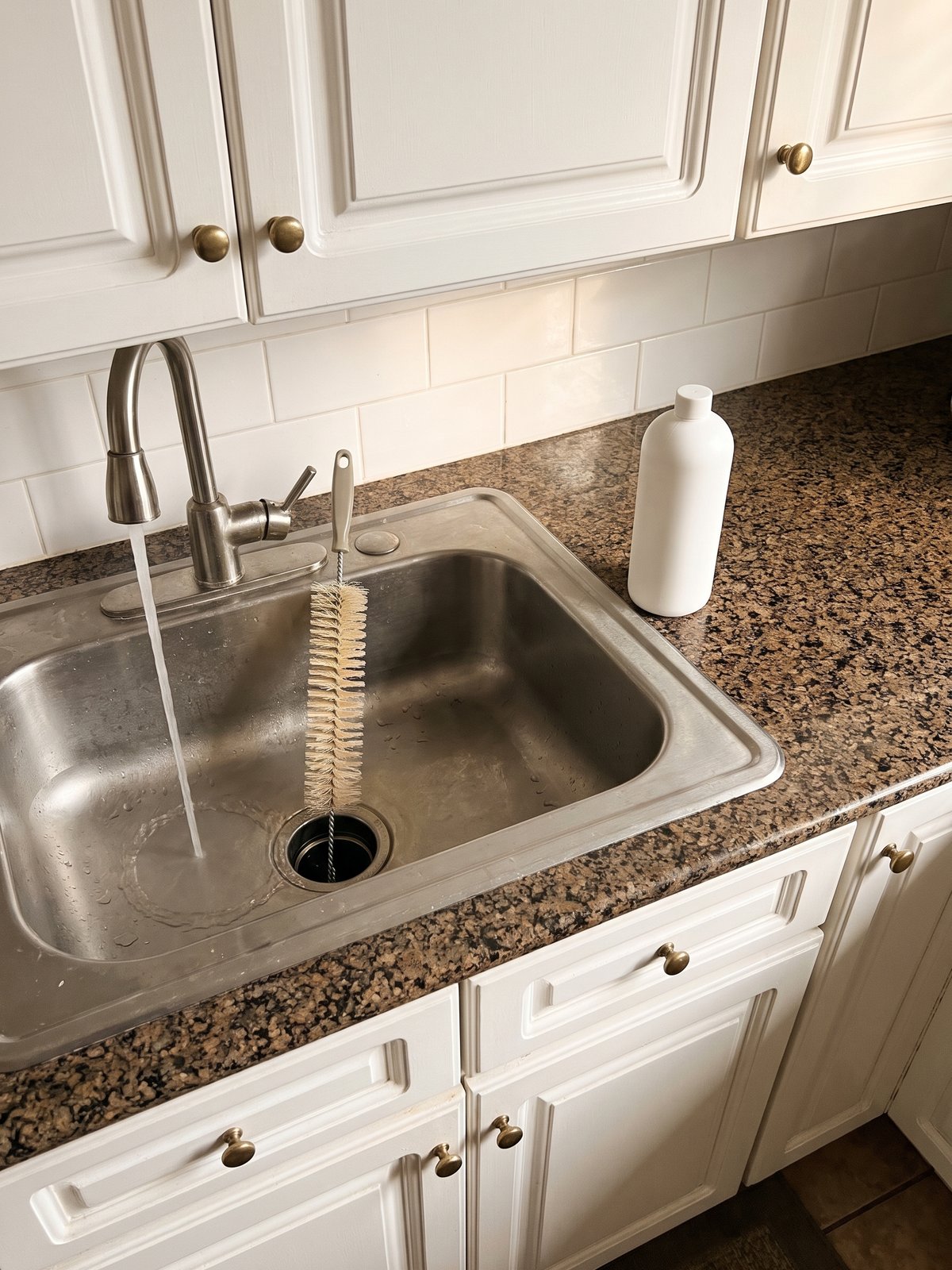
    Push a long, stiff drain brush down the drain and scrub up and down, turning it as you go. Work it as far as it will go into the pipe and the curved trap under the sink.

    Texas A&M AgriLife Extension says scrubbing the pipes and traps with a stiff brush is how you get rid of the film, because bleach and drain cleaner barely touch it.

  3. Flush it with hot tap water

    Run the hottest water from your tap down the drain to carry off what you loosened. Use tap water, not a kettle of boiling water. If your drain pipe is plastic, know that Charlotte Pipe, a maker of plastic drain pipe, rates its PVC drain pipe for 140°F at most. Boiling water is 212°F.

  1. At bedtime, pour in the enzyme cleaner

    Follow your bottle’s label. The Drano FlowGuard label says to run warm water for one minute, turn it off and pour in 10 ounces. Then run about 2 more cups of warm water, and do not run any water down that drain for 6 to 8 hours. Bedtime makes the wait easy.

  2. Check the smell in the morning

    After 6 to 8 hours, use the sink as normal and give it a sniff. Keep going with the next step even if it smells better, because one dose will not clear all of the film.

    What it looks like when it is working: a drain that smells like nothing at all when you lean over it.

  3. Repeat until the smell stays gone

    Texas A&M says these products usually need repeat doses over several weeks to clear the film. After the first big dose, the Drano FlowGuard label says to pour 2 ounces down each drain every 2 to 4 weeks.

When it will not work, and what to do instead

Sometimes the drain still smells after all that. Here is what to check.

  • You poured bleach or boiling water down it. It makes sense that something that strong would clear it out. But the University of California’s pest program says bleach and boiling water do not remove the film in the drain, so they help for a short time at best. Ohio State says the same about bleach.
  • It smells like rotten eggs or sewer. Wisconsin’s health department says that smell is hydrogen sulfide in sewer gas. It can get in through a drain with a dried-out trap or a leaking or blocked roof vent. Run water down drains you rarely use so the traps stay full, and call a plumber if it keeps coming back.
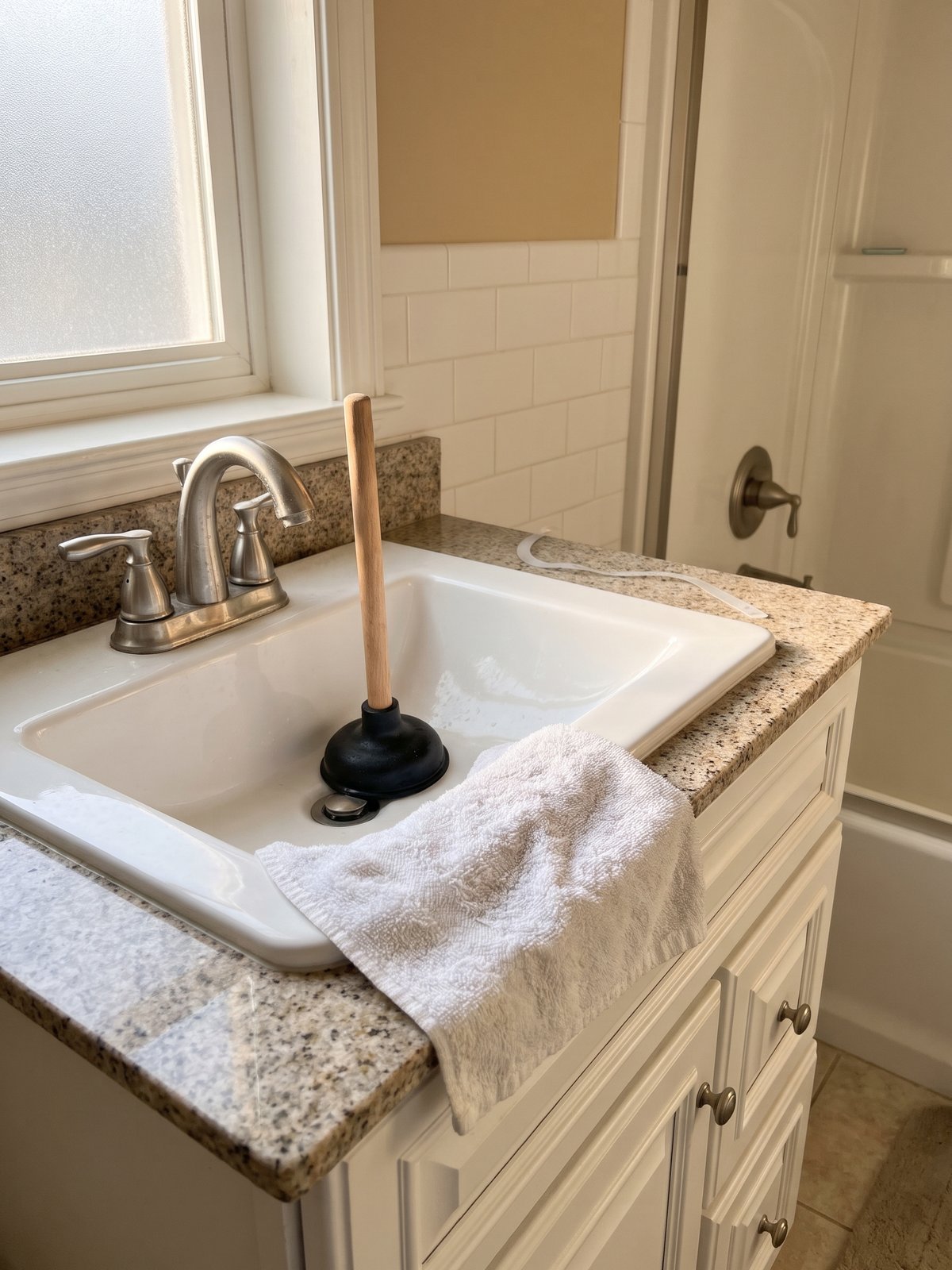
  • The sink drains slowly or not at all. That is a clog, not just film. The Drano FlowGuard label says it will not open clogs, so clear the clog first or call a plumber.
  • You see little flies around the sink. Texas A&M says drain flies breed in the film inside drains. See Why fruit flies keep coming back.
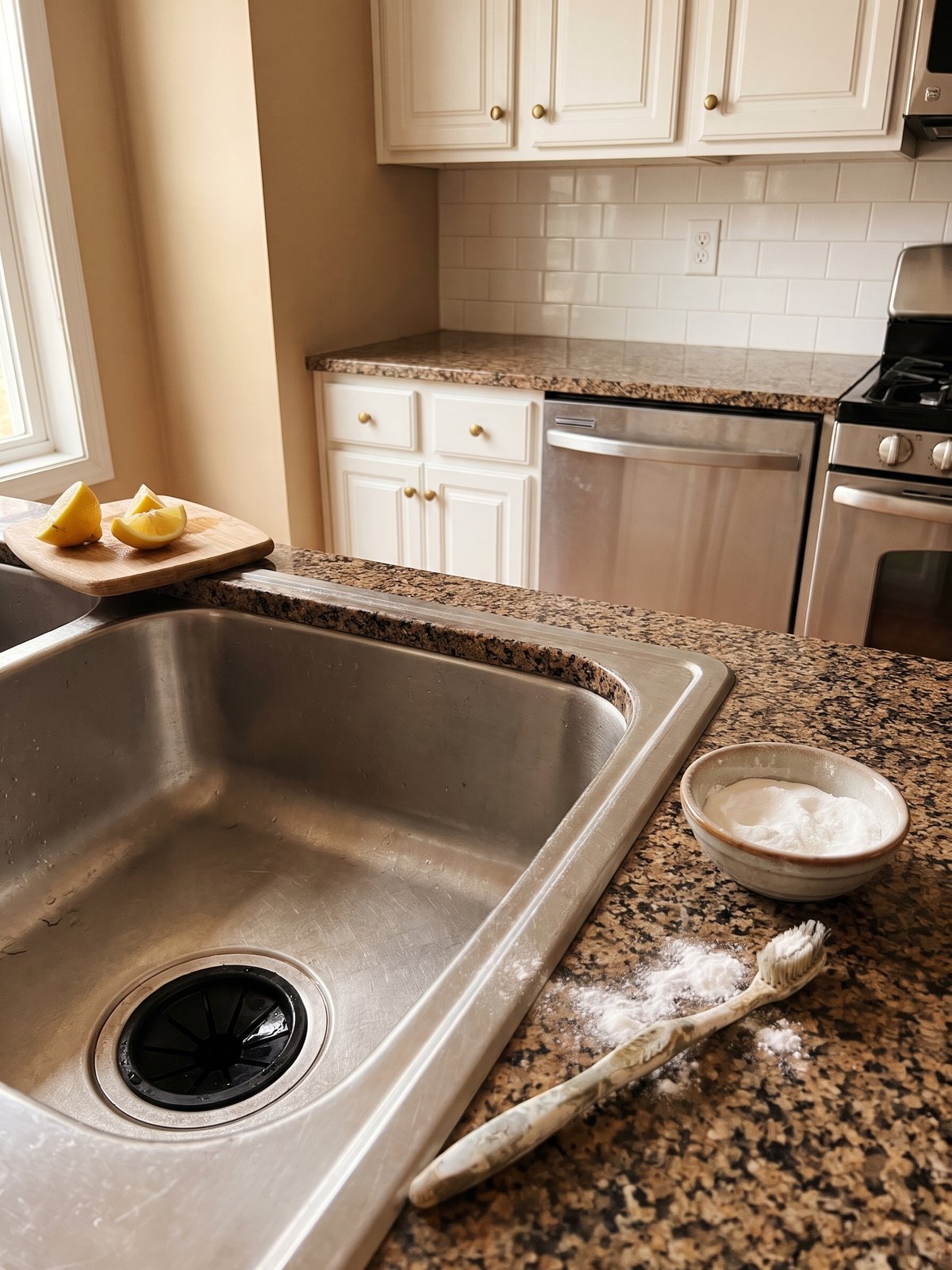
  • You tried baking soda and vinegar. A chemist at the University of Tasmania explains that the two mostly cancel each other out, leaving water, a salt and the fizzy gas. See Does baking soda and vinegar unclog a drain?.

Be safe

  • One drain product at a time. Never pour bleach after a lye (caustic) drain cleaner. Ohio State says the two can release chlorine gas right there in the pipe, and the Washington State Department of Health says bleach reacts with drain cleaners. See the full never-mix chart.
  • Do not chase the enzyme cleaner with bleach or another drain cleaner. Bleach does not clear the film anyway. Give the enzyme cleaner its overnight and follow its label.
  • Gloves on, and mind your eyes. The Drano FlowGuard label says it is an eye irritant. If it gets in your eyes, rinse them with plenty of water for at least 15 minutes.
  • Hot tap water only, never boiling water. Boiling water does not remove the film, and plastic drain pipe from one maker is rated for 140°F at most.
  • Septic system? Texas A&M says to make sure any drain product you use is compatible with your system. Check the label before you buy.
  • Keep drain products locked up, away from kids and pets. Poison Help line, 1-800-222-1222. It is free and confidential, 24 hours a day, 7 days a week.

What to buy

We may earn a small fee from these links. It never changes the picks or your price.

  • Reusable rubber cleaning gloves

    They keep drain gunk and drain products off your hands. up&up Reusable Heavy Duty Latex Gloves were $3.39 at Target.com on 11/7/2026.

  • Drano FlowGuard Enzymatic Build-Up Remover, 30 oz

    An enzyme drain cleaner for the overnight step. Its label says it contains natural enzymes and bacterial cultures and will not open clogs. $12.34 on sale (regularly $12.99) at Target.com on 11/7/2026.

  • A long flexible drain brush

    This is the tool that actually takes the film out. The Brushtech 48 inch flexible drain brush was $20.99 on sale (regularly $29.99) at Target.com on 11/7/2026.

Why it works

That smell is coming from a film that lines the inside of your drain. Ohio State describes it as a bacterial scum of rotting organic matter that forms on plumbing, and rotting food is exactly what your nose is picking up.

The film is sticky and holds on tight, a little like the film on your teeth before you brush. A splash of bleach or hot water runs right over the top of it and on down the pipe. That is why the smell comes right back.

A brush breaks it loose, the same way a toothbrush does. Then the enzyme cleaner goes after what the brush missed. Ohio State says an enzyme product is designed to break the sticky bond that bacteria form on the pipes. It takes a few rounds because the film builds back up between them.

Every one of us has leaned over the sink to rinse a plate, caught that whiff and wondered where in the world it was coming from. You wipe the counter, you take out the trash, and it is still there.

A word from Denise

It is not that you keep a dirty kitchen. A drain that gets used every day is just the kind of damp spot this film loves. So do the brush and the enzyme rounds, then keep up the small dose the label calls for every few weeks. That little habit keeps the smell from moving back in.

Questions people ask

Why does my kitchen sink drain smell?

Most of the time it is a slimy film of rotting food and bacteria stuck to the inside of the drain pipe and trap. A rotten egg or sewer smell is different and can mean a dried out trap or a vent problem.

Can I pour boiling water down the drain to clean it?

No. Use hot tap water, never boiling. The University of California’s pest program says boiling water does not remove the film, and plastic drain pipe from one maker is rated for 140°F at most. Use hot tap water after you scrub.

Will bleach get rid of the drain smell?

Only for a short time, at best. Ohio State and the University of California both say bleach does not clear the film where the smell lives. And bleach must never follow a lye drain cleaner, because the two can make chlorine gas.

More help like this

Next tipHow to clean greasy kitchen cabinets without ruining the finish
Denise laughing in her kitchen

About Denise

I’m Denise, and I explain home fixes the way a friend would at your kitchen table. Every tip I share is written from the sources listed on its page and checked against them before it goes up.

How my tips are checked

Sources

Sources opened and checked on November 7, 2026.

  1. Texas A&M AgriLife Extension, ENTO-050 Indoor Flies and Their Control (drain flies breed in microbial films in drains; chlorine bleach or drain cleaner largely ineffective at removing the film; clean pipes and traps with a stiff brush; flush with hot water; drain products usually need repeat applications over several weeks; septic compatibility) (PDF). Rechecked 11/7/2026 agrilifeextension.tamu.edu
  2. University of California IPM, Pest Notes: Moth Flies (slimy organic matter in drains; boiling water and bleach do not remove the film, short-term at best). Rechecked 11/7/2026 ipm.ucanr.edu
  3. Ohio State University CFAES, Drain Flies (Moth Flies) fact sheet (bacterial scum of gelatinous rotting organic matter on plumbing; enzyme-action product designed to break the sticky bond bacteria form on pipes; bleach does not rid pipes of the scum; stiff long-handled brush; lye drain cleaner must never be followed with bleach, chlorine gas). Rechecked 11/7/2026 cfaes.osu.edu
  4. Charlotte Pipe and Foundry, Plastics Product Knowledge Guide BR-PK (PVC DWV pipe drains household sanitary waste, kitchen and bathroom; maximum working temperature 140°F) (PDF). Rechecked 11/7/2026 charlottepipe.com
  5. Drano FlowGuard Enzymatic Build-Up Remover and Drain Cleaner, 30 oz, Target.com product page (directions, will not open clogs, natural enzymes and bacterial cultures, eye irritant, first aid, price). Rechecked 11/7/2026 target.com
  6. Wisconsin Department of Health Services, Sewer Gas (hydrogen sulfide smells like rotten eggs; enters through a floor drain or a leaking or blocked roof vent; flush floor and sink drains so traps do not dry out; plumber). Rechecked 11/7/2026 dhs.wisconsin.gov
  7. Washington State Department of Health, Bleach mixing dangers (bleach reacts with ammonia, drain cleaners and other acids). Rechecked 11/7/2026 doh.wa.gov
  8. Nathan Kilah, University of Tasmania, Vinegar and baking soda: a cleaning hack or just a bunch of fizz? The Conversation theconversation.com
  9. HRSA Poison Help, Calling Poison Help (1-800-222-1222; free and confidential help 24 hours a day, 7 days a week) poisonhelp.hrsa.gov
  10. Target.com search results (prices, checked 11/7/2026) target.com target.com target.com
Fact log: how each claim on this page was checked (21 claims)

Every claim on this page, the source behind it and what the check found. Kept open for anyone who wants to look under the hood.

ClaimSourceWhat the check found
The smell comes from a film of rotting organic matter and bacteria inside the drain and trapSource 3 (“gelatinous rotting, organic matter”); Sources 1 and 2 (film in drains)Matches the source (the smell link follows from Ohio State’s “rotting” wording).
Scrubbing pipes and traps with a stiff brush removes the filmSources 1 and 3Matches the source (rechecked).
Bleach and drain cleaner are largely ineffective at removing the filmSource 1; Source 3 (bleach)Matches the source (rechecked).
Boiling water and bleach do not remove the film, short-term at bestSource 2Matches the source (rechecked).
Flush with hot water after scrubbingSource 1 says “hot to boiling”Matches the source. The page says hot tap water only, never boiling, to stay on the safe side
PVC DWV drain pipe max working temperature 140°F; used for kitchen and bathroom drainsSource 4Matches the source (rechecked; one maker).
Water boils at 212°FStandard physical fact at sea levelMatches the source (common fact).
Enzyme or bacterial drain products need repeat applications over several weeksSource 1Matches the source (rechecked).
Drano FlowGuard: warm water 1 minute, pour 10 oz, about 2 cups warm water, no water 6 to 8 hours; then 2 oz per drain every 2 to 4 weeksSource 5Matches the source (rechecked; label text on retailer page).
Drano FlowGuard will not open clogs; contains natural enzymes and bacterial cultures; eye irritant; rinse eyes at least 15 minutesSource 5Matches the source (rechecked).
Check septic compatibility of drain productsSource 1Matches the source (rechecked).
Lye drain cleaner followed by bleach can release chlorine gas in the drain lineSource 3Matches the source (rechecked).
Bleach reacts with drain cleanersSource 7Matches the source (rechecked).
Hydrogen sulfide smells like rotten eggs; sewer gas enters through a drain with a dried trap or a leaking or blocked roof vent; flush drains to keep traps full; plumberSource 6Matches the source (rechecked).
Baking soda and vinegar mostly cancel out into water, a salt and CO2Source 8Matches the source (university chemist; matches the never-mix page).
Drain flies breed in the film inside drainsSource 1Matches the source (rechecked).
Enzyme product breaks the sticky bond bacteria form on pipesSource 3Matches the source (Ohio State’s wording).
Gloves for drain workGeneral safety advice; no single source on this pageStated as a precaution
Prices: Drano FlowGuard 30 oz $12.34 (reg. $12.99); Brushtech 48 in drain brush $20.99 (reg. $29.99); up&up latex gloves $3.39Source 5 (rechecked) and Source 10 (November 7, 2026)Matches the source (dated, Target.com online). Walmart prices dropped (none read)
Poison Help line, 1-800-222-1222; free and confidential, 24 hours a day, 7 days a weekSource 9Matches the source (HRSA Calling Poison Help page; one wording site-wide, November 7).
No germ-kill claimsSite rule (no health claims)Applied