Does Baking Soda and Vinegar Unclog a Drain? (What Works Instead)
Every tip here is checked against the sources listed at the bottom.
By Denise. Checked on November 7, 2026 against the sources at the bottom of this page.
The short answer
What works A sink plunger, used with the overflow covered, pushes and pulls the clog loose. If it is hair, a plastic hair snake pulls it out. Then run hot tap water to flush.
How long
Each round of plunging is 10 to 15 seconds, and you repeat until the water drains.
What it costs
A 5 pack of MAISON plastic hair snakes was $14.99 at Target.com on November 7, 2026.
What you need
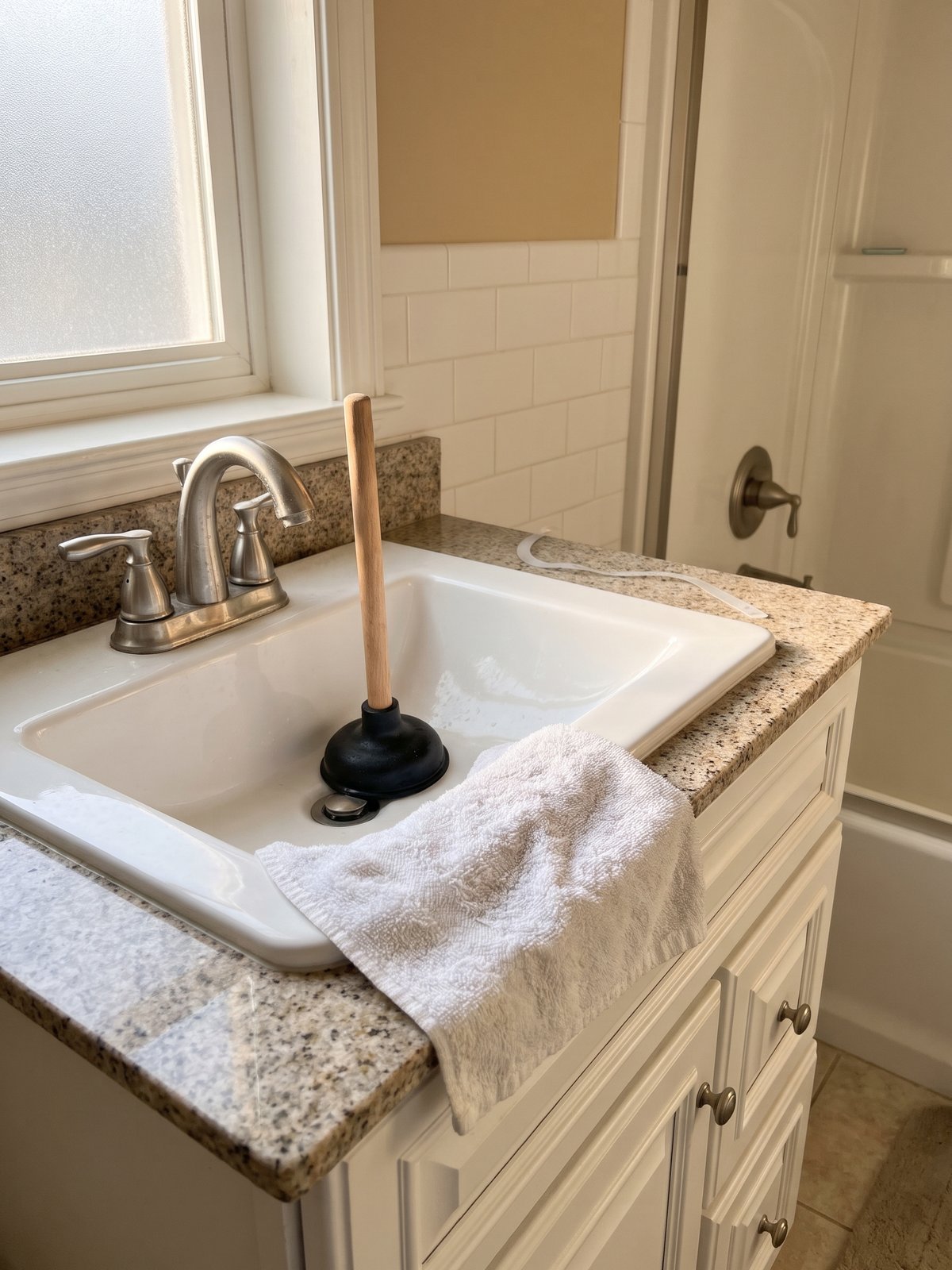
A sink plunger, a wet rag, a plastic hair snake, rubber gloves and a drain strainer for afterward.
The myth: pour in baking soda and vinegar, watch it fizz, and the clog melts away.
The grain of truth: the fizz is real. A chemist at the University of Tasmania explains that the two react into water, a salt called sodium acetate and carbon dioxide gas.
He calls the fizz essentially a visual “placebo.” He does say the bubbling can have a mechanical effect in a blocked drain, so it may nudge things a little. That is a nudge, not a fix.
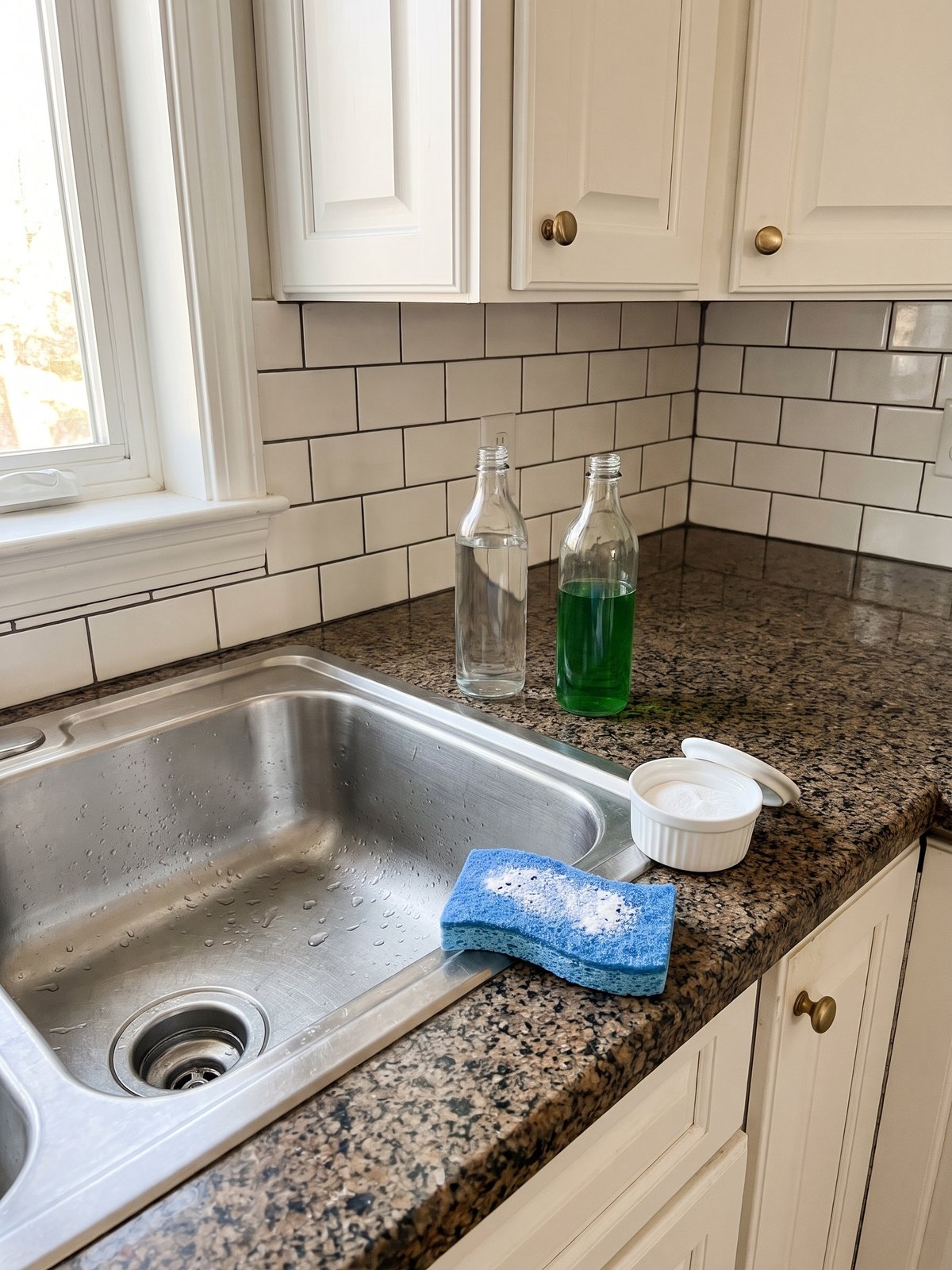
The fix: use it as upkeep, not as a clog buster. The City of Yakima suggests 1/2 cup baking soda and 1/2 cup white vinegar, a 15 minute wait and a hot water flush to maintain a sink drain. For a sink that is already backed up, reach for a plunger and a hair snake.
Before you start: did you already pour something in?
If you poured a chemical drain cleaner down this drain today, stop. Do not plunge it, and do not add vinegar.
The Drano Max Gel label says never to use a plunger during or after use, because the product may still be in a drain that has not cleared. It also contains bleach (sodium hypochlorite), and bleach plus an acid like vinegar makes a toxic gas. If the drain will not clear, call a plumber.
Step by step
1
Clear the opening
Put on rubber gloves. Pull out the sink stopper, and pick off any hair or gunk you can see around the drain.
2
Block the other openings
Push a wet rag firmly into the overflow hole near the top of the sink. In a double kitchen sink, plug the other drain too. Korky’s plunger directions say to cover sink openings like the overflow and the dishwasher vent with a wet rag.
What it looks like: the only open hole left is the drain you are plunging.
3
Get enough water in the sink
Korky says to have enough water in the sink to cover the base of the plunger. If the sink is dry, run a little tap water in.
4
Seat the plunger
Tip the plunger in at an angle so the head fills with water. Then set it over the drain so it covers the opening completely.
5
Plunge for 10 to 15 seconds
Push down and pull up in a steady, even rhythm for 10 to 15 seconds, then lift the plunger to break the seal. Korky says to repeat this until the water drains.
What it looks like: the water swirls and then drops once the clog lets go.
6
Run hot tap water
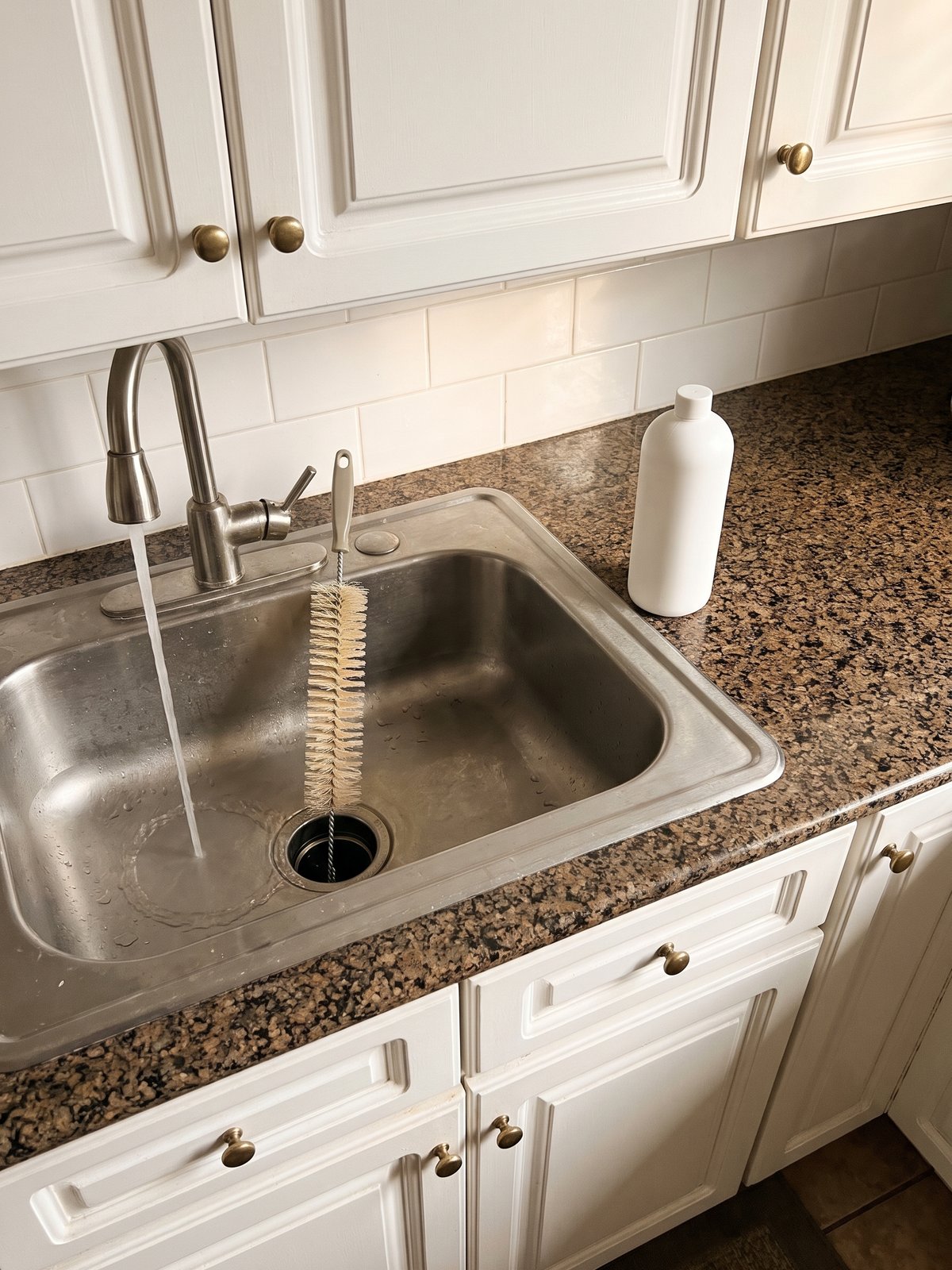
Once the water drains, run hot water from the tap to clear out leftover debris, as Korky suggests. Use hot tap water, not a kettle of boiling water, because plastic drain pipe is rated for 140 degrees Fahrenheit and boiling water is 212.
What it looks like: water running straight down with no pooling.
7
If it is still slow, use the hair snake
In a bathroom sink or tub, hair is a likely culprit. Feed a plastic hair snake into the drain and pull it back out, following the directions on its package. Wipe the gunk off into the trash, and repeat until it comes up clean.
What it looks like: a gray clump of hair and soap on the barbs.
8
Put a strainer on it
Set a drain strainer or hair catcher over the drain. The City of Yakima says hair and grease cause many blockages, and it suggests a strainer to catch them.
When it will not work, and what to do instead
The plunger just pushes water out of another opening. Something is not sealed. Plug the overflow and the second sink tightly, then try again.
It is a kitchen sink full of grease. Plunging may get it moving, but the long fix is keeping grease out. The City of Yakima says to pour grease into a covered container for the trash, soak up what is left with a paper towel, and scrape plates into the garbage.
You want to try a chemical drain cleaner. If you do, use one product only, follow its label, and never plunge after it. If the drain still will not clear, call a plumber instead of adding a second product.
Sewage is backing up into the house. That is past a sink clog. The City of Raleigh says the first step for a sewer backup is to call a licensed plumber.
Be safe
Never mix drain cleaners. The Drano Max Gel label says not to mix it with other cleaners or chemicals, as hazardous fumes or a violent reaction may result. The Washington State Department of Health says never to mix bleach with acids like vinegar and drain cleaners. See the full never-mix chart.
Never plunge after a chemical cleaner. The Drano label says never to use a plunger during or after use.
Wear gloves for any drain job.
Hot tap water only, never boiling water. PVC drain pipe is rated for 140 degrees Fahrenheit for continuous drainage, and boiling water is 212. Hot tap water does the job.
If a drain cleaner splashes in your eyes, the Drano label says to rinse right away and flush with water for 15 minutes. Then call the Poison Help line, 1-800-222-1222. It is free and confidential, 24 hours a day, 7 days a week.
What to buy
We may earn a small fee from these links. It never changes the picks or your price.
Sink plunger
Pick one sold as a sink plunger, since that is the kind Korky’s directions are written for.
The free Kitchen and Laundry Rescue Guide has the never-mix chart and the Poison Help number in big print, ready to tape inside your cabinet door.
Why it works
A clog is a plug of hair, soap and grease stuck in the pipe. To clear it, you have to push it, pull it or grab it.
A plunger does the pushing and pulling. Each stroke shoves the water in the pipe against the clog and then tugs it back, a little like working a stuck jar lid back and forth until it gives.
That is why the overflow gets covered. Any open hole lets the push escape there instead of reaching the clog.
Baking soda and vinegar, on the other hand, mostly use each other up. The chemist explains that the reaction turns them into water, a salt and gas, which leaves you with less cleaning power than either one alone.
A word from Denise
If you have stood over a fizzing sink waiting for the water to drop, that is not your fault, because the fizz puts on a good show. Next time, skip the show and grab the plunger first. And keep a strainer on that drain, because the clog you never get is the easiest one to fix.
Questions people ask
Does baking soda and vinegar unclog a drain?
Rarely. A chemist explains that the fizz is mostly for show. It is fine as a drain upkeep routine, but a plunger or a hair snake clears a real clog.
Can I pour boiling water down my drain?
No. Use hot tap water, never boiling. PVC drain pipe is rated for 140 degrees Fahrenheit for continuous drainage, and boiling water is 212. Use hot tap water instead.
Is it safe to plunge after using a drain cleaner?
No. The Drano Max Gel label says never to use a plunger during or after use. Call a plumber if it will not clear.
Can I use vinegar after a chemical drain cleaner?
No. Some drain cleaners contain bleach, and the Washington State Department of Health says never to mix bleach with acids like vinegar.
I’m Denise, and I explain home fixes the way a friend would at your kitchen table. Every tip I share is written from the sources listed on its page and checked against them before it goes up.